So, you’ve got an Eastern white pine, or maybe you’re thinking about getting one? These trees are pretty impressive, they’re the biggest conifers around these parts and have been for ages. People use them for all sorts of things, from windbreaks to, believe it or not, decorations. But like anything, they have their own quirks and needs. We’ll cover what makes them special, how to spot one, and what to do if it starts looking a bit sad. Let’s get into it.
Key Takeaways
- Eastern white pines are easily identified by their soft, blue-green needles that grow in bundles of five.
- These trees prefer well-drained, acidic soil and need plenty of space, growing quite large over time.
- They grow relatively fast, adding a couple of feet in height each year, and can live for a couple of centuries.
- Watch out for pests like the white pine weevil and diseases such as white pine blister rust, which can cause problems.
- Eastern white pines are sensitive to road salt and air pollution, making them less ideal for busy urban areas or roadsides.
What is an Eastern White Pine?
Scientific Classification
The eastern white pine, scientifically known as Pinus strobus, is a pretty significant tree in North America. It’s the largest conifer native to this part of the world. It belongs to the Pinaceae family, which is a big family of cone-bearing trees.
Here’s a quick look at its classification:
- Botanical Name: Pinus strobus
- Common Name: Eastern white pine
- Family: Pinaceae
- Plant Type: Tree
Native Range and Habitat
These trees are found all over eastern North America. You can see them from as far north as Newfoundland and Labrador in Canada, all the way down to northern Georgia in the United States. They really like a climate that has warm summers and cooler winters.
Eastern white pines generally do best in Hardiness Zones 3 through 7, though some sources say up to 8. They prefer soil that’s moist but also drains well, and they tend to do better in slightly acidic conditions. You won’t typically find them thriving in really wet or compacted soil.
Identifying the Eastern White Pine
So, you think you’ve spotted an Eastern White Pine? These giants are pretty distinctive once you know what to look for. It’s not too tricky, but paying attention to a few key features will help you tell it apart from other trees.
Needles: Length, Color, and Cluster Arrangement
The needles are probably the easiest way to identify this tree. Eastern White Pines are the only pine in the eastern U.S. that has five needles grouped together in a bundle. If you look closely, these bundles look a bit like little brushes. The needles themselves are quite long, usually between 2 to 6 inches, and they have a soft, almost velvety feel. Their color is a nice blue-green, and they tend to droop a bit, giving the tree a softer appearance than some other pines. They’re not stiff and pokey like you might expect from some pine varieties.
Cones and Seed Features
When it comes to cones, the Eastern White Pine has some specific traits. The female cones are the ones you’ll notice most, hanging down from the branches. They’re pretty long, typically ranging from 3 to 8 inches, and have a cylindrical shape. These cones take a couple of years to mature before they release their seeds and eventually fall off. You won’t see cones on very young trees; they usually need to be about 20 to 30 years old before they start producing them.
Bark and Trunk Characteristics
As for the bark, it changes quite a bit as the tree ages. Young trees have smooth, grayish-green bark. But as they get older, the bark thickens up to an inch or two and develops broad, darker ridges. The trunk itself is usually tall and straight, which is why these trees were historically so valuable for ship masts. You can even get a rough idea of a tree’s age by counting the whorls of branches around the trunk – each whorl generally represents one year of growth.
Growth Rate of Eastern White Pine
When you’re thinking about planting an Eastern White Pine, one of the first things people wonder about is just how fast it’s going to grow. These trees are known for their rapid development, especially when they’re young and have the right conditions. It’s not uncommon for a young Eastern White Pine to add between 2 to 3 feet in height each year. This impressive growth rate means you’ll see a significant change in your landscape relatively quickly. However, with fast-growing trees comes the need for proper care. That’s where Advanced Tree Solutions can help. Our expert team provides professional tree pruning and maintenance services to ensure your Eastern White Pines grow healthy, strong, and safely away from structures or power lines.
How Fast Do Eastern White Pines Grow?
The eastern white pine growth rate is pretty impressive. In their early years, they can shoot up by 2-3 feet annually. This makes them a great choice if you’re looking for a tree that provides quick shade or a natural screen. However, this rapid growth does mean they need plenty of space. They mature into quite large trees, often reaching heights of 50 to 80 feet, and sometimes even more, with a spread of 20 to 40 feet. So, when you’re planning where to put one, remember to give it room to spread out.
Here’s a general idea of what to expect:
- First 10-20 years: This is when you’ll see the most dramatic growth, often 2-3 feet per year.
- Mature Trees (20+ years): Growth slows down considerably, but they continue to add height and girth over time.
- Environmental Factors: Growth can be influenced by soil quality, water availability, and sunlight. Good conditions mean faster growth.
Lifespan of Eastern White Pine
Eastern white pines are known for their impressive longevity. These majestic trees can live for a considerable time, often reaching 200 years or more in ideal conditions. It’s not uncommon to find specimens that have stood for centuries, witnessing generations of change. Their long life is a testament to their resilience and adaptability, though factors like disease, pests, and environmental stresses can shorten their lifespan.
Several things influence how long an Eastern white pine will live:
- Site Conditions: Proper soil drainage and adequate sunlight are key. They don’t do well in compacted or waterlogged soil, and while they tolerate some shade, they thrive with more sun, especially in cooler climates.
- Pest and Disease Management: Issues like white pine blister rust and white pine weevils can significantly impact a tree’s health and longevity if not managed. Keeping an eye out for early signs is important.
- Environmental Stresses: Things like road salt runoff, air pollution, and extreme weather can weaken the tree over time, making it more susceptible to other problems.
As long-lived trees, Eastern White Pines can become stunning centerpieces in your yard. If you’re looking to plant new trees or start fresh landscaping, we provide expert tree planting services tailored to your property.
Common Issues and Diseases

Eastern White Pines, while generally robust, aren’t immune to problems. Keeping an eye out for certain issues can help you catch things early and keep your tree healthy.
One common ailment is brown spot needle blight. You’ll notice this as circular, gray-green spots on the needles that eventually turn into brown bands, causing the needles to die and fall off. This is caused by a fungus that loves wet weather, so it spreads easily when rain splashes. It’s particularly tough on young seedlings, sometimes even killing them if they get infected year after year. For treatment, sometimes controlled burns can help clear out infected needles, or a professional can apply fungicide sprays. It’s usually best to apply these sprays when new needles are about half-grown, typically in late spring or early summer, and then again a few weeks later.
Another issue to watch for is annosus root rot. This fungus really likes freshly cut stumps, especially after trees have been thinned out in a forest. It causes decay in the roots and the base of the trunk. You might see fruiting bodies, which look like brown-ish, white-undersided growths, near the ground. The fungus spreads through spores carried by wind or rain, and can also jump to healthy trees through root contact. A good preventative measure is to apply borax powder to the surfaces of freshly cut stumps to stop the spread.
Importance of Eastern White Pine in Canada
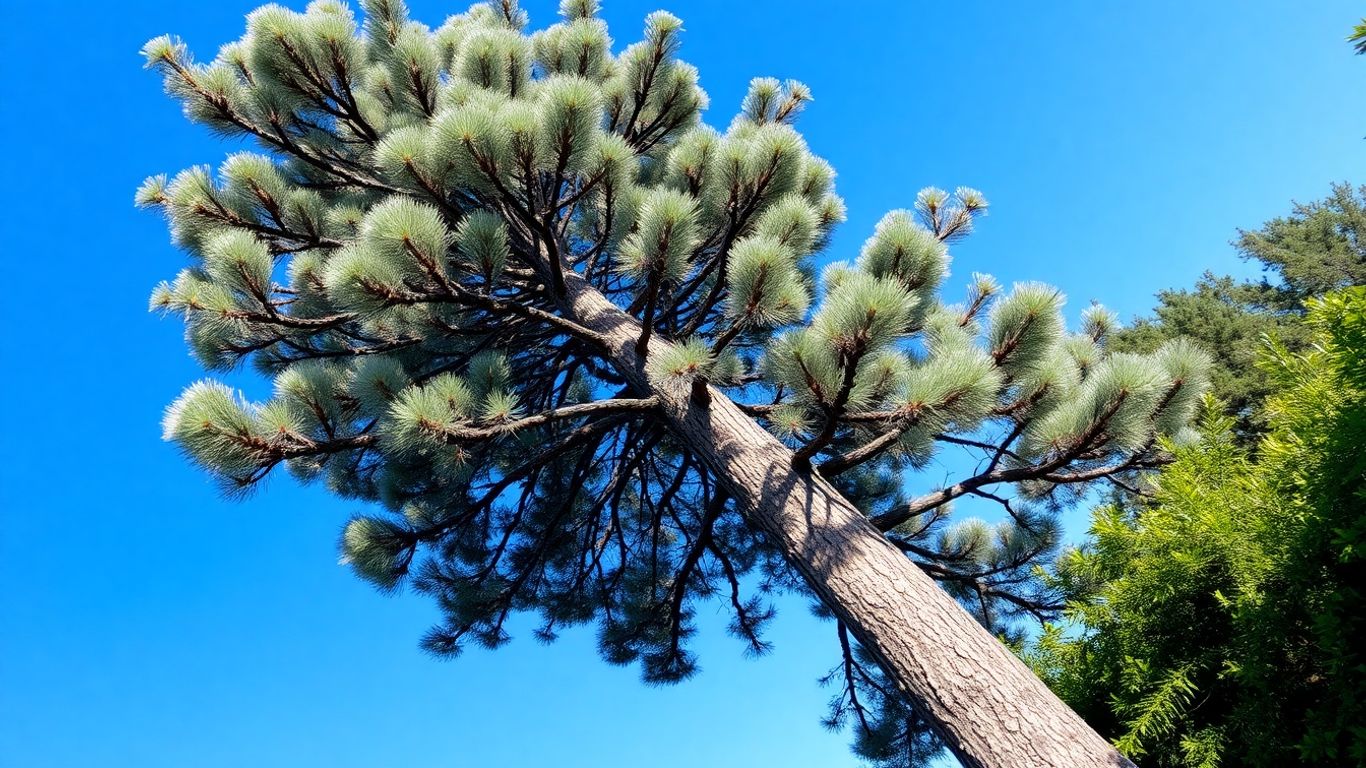
The eastern white pine, or Pinus strobus, holds a special place in Canada, far beyond just being another Canadian pine tree. Historically, its tall, straight trunk was incredibly valuable, especially for the British Royal Navy. They sought these trees out for ship masts, and this demand even led to specific laws, like the White Pine Acts, which dictated how these trees could be used. Imagine, some of these trees were marked with the “King’s Broad Arrow” – a symbol that they belonged to the crown. There’s even a story about a “Pine Tree Riot” where colonists pushed back against these regulations, showing just how important this tree was to early Canadian life.
These trees can grow quite tall, often reaching 80 feet or more, and they have a pretty long lifespan, sometimes living for 200 years. They’re also known for their fast growth when young, making them a popular choice for planting fast-growing trees in certain areas.
Frequently Asked Questions
How can I tell if I have an Eastern White Pine?
Eastern White Pines have long, soft needles that are about 2 to 4 inches long. What really makes them stand out is that their needles grow in bundles of five. You’ll also notice they have long, slender cones, usually between 3 to 7 inches, that hang from a stalk. Their bark starts out smooth and gray-green when they’re young, but gets thick and develops dark, deep ridges as the tree ages.
How fast do Eastern White Pines grow, and how big do they get?
These trees are known for being fast growers, often adding 2 to 3 feet in height each year when they’re young. They can reach impressive heights of 50 to 80 feet tall and spread out to be 20 to 40 feet wide when they’re fully grown. They’re one of the tallest conifers in North America!
What kind of soil and sunlight do Eastern White Pines need?
Eastern White Pines do best in well-drained soil that’s a bit on the acidic side. They like to have their roots kept cool, so a layer of mulch, like pine needles, is great for them. As for sunlight, they need at least four hours of direct sun each day. If you live in a warmer area, they actually appreciate a little bit of shade during the hottest part of the afternoon.
Are Eastern White Pines messy trees?
They can be a bit messy, yes. Their cones can be tricky to clean up, and they sometimes drop sticky sap that can get on cars. In the spring, they also release pollen that can cover surfaces. Plus, they naturally shed older needles every year, which is normal but adds to the leaf litter.
What are common problems or diseases that affect Eastern White Pines?
Eastern White Pines can face a few issues. They are sensitive to road salt, which can cause their needles to turn brown. They can also be bothered by pests like the white pine weevil, which attacks the top growing tip. Diseases like white pine blister rust can also be a problem, and sometimes trees can experience ‘white pine decline’ due to a mix of stress factors like bad soil or too much or too little water.