So, you’re curious about the Sugar Maple Tree? It’s a pretty neat tree, honestly. You probably know it for its amazing fall colors and, of course, maple syrup. But there’s more to this tree than just sweet stuff and pretty leaves. We’re going to break down what makes the Sugar Maple Tree special, how to spot one, why it’s good for us and the planet, and how to keep it happy if you decide to plant one yourself. Let’s get into it.
What is a Sugar Maple Tree?
Scientific Classification
The Sugar Maple, scientifically known as Acer saccharum, is a prominent member of the deciduous forest ecosystem. It’s a tree that many people recognize, often for its role in producing that sweet syrup we all enjoy. This tree is a North American native, thriving in cooler climates. Its wood is known for being quite hard and dense, which makes it a popular choice for things like furniture and flooring.
Native Range and Habitat
Sugar maples are primarily found in the northeastern and central parts of the United States, extending into parts of Canada. They really like temperate environments, handling cold winters and warm, humid summers pretty well. You’ll often find them doing best in areas with deep, well-drained soil that’s a bit on the acidic side, though they can manage in a variety of soil types as long as it’s not too alkaline or waterlogged. They also appreciate a spot with plenty of sun, or at least some partial shade. It’s important to give them enough room to grow, as they can get quite large.
Here’s a quick look at some of its basic characteristics:
- Botanical Name: Acer saccharum
- Common Names: Sugar maple, hard maple, rock maple
- Plant Type: Tree
- Mature Size: Typically grows 40–80 ft. tall and 30–60 ft. wide
- Sun Exposure: Prefers full sun to partial shade
- Soil Type: Needs moisture but well-drained soil
- Soil pH: Prefers acidic soil
- Hardiness Zones: USDA Zones 3–8
Identifying the Sugar Maple Tree
Figuring out if you’ve got a sugar maple tree on your hands is pretty straightforward once you know what to look for. These trees are quite distinctive, and paying attention to a few key features will make Sugar Maple tree identification a breeze.
Leaves: Shape, Color, and Fall Foliage
The most obvious clue is the leaf. Sugar maple leaves are typically 3 to 6 inches across and have five lobes. They’re arranged opposite each other on the stem, which is a good characteristic to note. The edges of the lobes are usually smooth, not jagged or toothed like some other maples. In the spring and summer, they’re a nice, deep green. But oh, the fall! This is when the sugar maple really shows off. The leaves transform into a spectacular display of yellow, orange, and fiery red. It’s a real showstopper in any landscape.
Bark Characteristics
When the tree is young, the bark is usually smooth and gray. As the sugar maple matures, though, the bark becomes rougher and develops deep furrows. It’s typically a gray-brown color. You won’t see the shaggy bark of a shagbark hickory or the peeling bark of a birch; it’s more of a solid, rugged texture that gets more pronounced with age.
Flowers and Seeds (Samaras)
Sugar maple flowers aren’t exactly showy. They’re small, greenish-yellow, and appear in drooping clusters in the spring, usually before the leaves fully emerge. They’re not the main event, but they are important for the tree’s reproduction. After the flowers fade, you’ll find the tree’s fruit: samaras, often called “helicopters” or “whirlybirds.” These are paired, winged seeds, about an inch long, that spin as they fall. They start out green and turn brown as they mature. Collecting these can be a fun activity, especially for kids!
Benefits of the Sugar Maple Tree
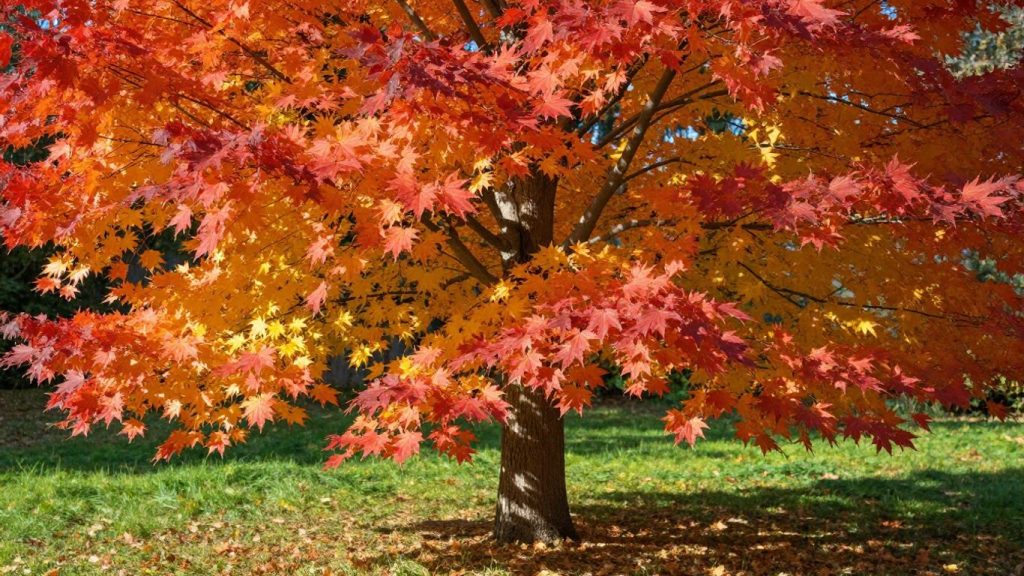
The Sugar Maple tree offers a whole lot more than just a pretty face, though its fall colors are certainly a showstopper. These trees are workhorses in the landscape, providing a range of advantages that make them a favorite for many reasons.
Maple Syrup Production
This is probably what the Sugar Maple is most famous for. The sap from this tree is particularly high in sugar content compared to other maple varieties. This means you need less sap to produce the same amount of syrup, making it the go-to choice for commercial and home syrup makers alike. Tapping the trees usually happens in late winter or early spring, when the temperature fluctuations are just right – cold nights followed by warmer days. It’s a whole process, but the reward is that delicious, natural sweetener.
Timber and Wood Uses
Beyond syrup, the wood from a Sugar Maple, often called hard maple or rock maple, is incredibly strong and dense. This makes it highly sought after for a variety of uses. Think furniture, flooring, cabinetry, and even musical instruments like violins and guitars. Its fine grain and durability mean that items made from Sugar Maple wood tend to last a very long time. It’s a solid choice for building things that need to stand up to wear and tear.
Ecological and Environmental Contributions
Sugar Maples are also great for the environment. They provide shade, which helps cool down areas and reduce energy costs. Their leaves decompose, adding nutrients back into the soil. Plus, they offer habitat and food for various wildlife. Birds nest in their branches, and small mammals might feed on their seeds or bark. Planting a Sugar Maple contributes to local biodiversity and can even help manage stormwater runoff. It’s important to plant them in areas where they have room to grow, away from potential hazards like power lines, to ensure they thrive for years to come.
Caring for Your Sugar Maple Tree
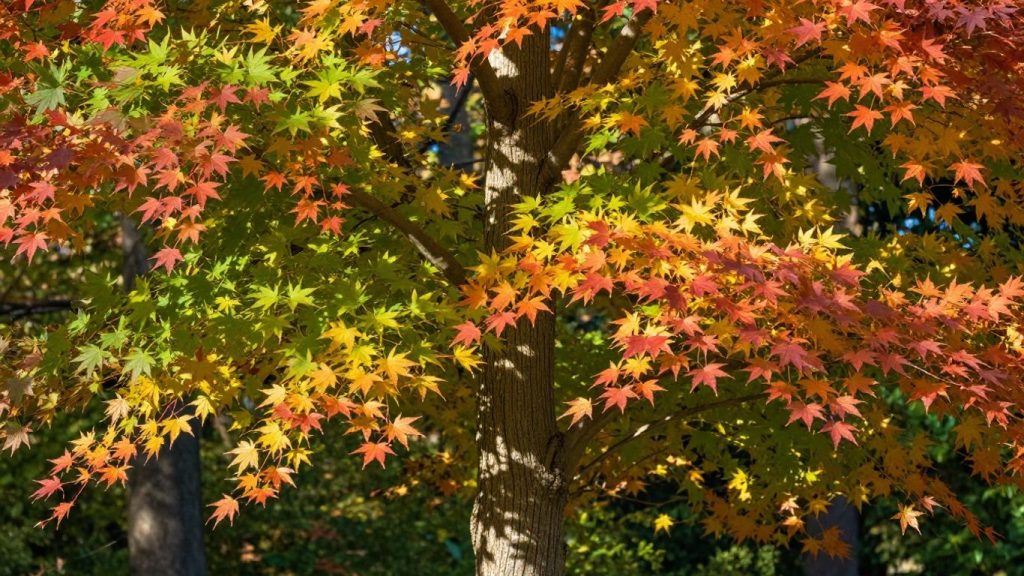
So, you’ve got a Sugar Maple and want to know how to care for it? It’s not rocket science, but a little attention goes a long way. Keeping your Sugar Maple healthy involves a few key practices throughout the year. First off, watering. When your tree is young, give it a good drink regularly, especially when things are dry. Once it’s settled in, it’s pretty tough and can handle a bit of drought, but don’t forget it during those super-hot spells.
Pruning is another thing. The best time to do it is when the tree is snoozing in late winter or early spring, before the sap really starts running. Just snip off any branches that are dead, broken, or look sick. Don’t go crazy with the pruning shears, though; too much can stress the tree out.
Here’s a quick rundown:
- Watering: Consistent for young trees, occasional deep watering for established ones during dry spells.
- Pruning: Late winter/early spring for dead or damaged branches. Avoid heavy pruning.
- Fertilizing: Only if the soil is poor; use a balanced fertilizer sparingly in spring.
- Mulching: Apply around the base, keeping it away from the trunk.
- Pest & Disease Watch: Regularly inspect for common issues and address them promptly.
Wrapping Up Your Sugar Maple Journey
So, there you have it. The sugar maple is a pretty amazing tree, right? From its stunning fall colors to the sweet sap it gives us, it really does a lot for our landscapes and even our kitchens. We’ve talked about how to get one started in your yard, what it needs to stay happy and healthy – like the right spot and some water when things get dry – and even how to deal with the occasional bug or disease. Taking care of a sugar maple isn’t rocket science, but it does take a little attention, especially when they’re young. But if you put in that effort, you’ll be rewarded with a beautiful, long-lasting tree that brings a lot of good things your way for years and years to come.
Frequently Asked Questions
What makes sugar maple sap special for making syrup?
Sugar maple sap is extra sweet, meaning you need less of it to make delicious maple syrup. It’s like nature’s concentrated sugar juice!
How tall do sugar maple trees get?
These trees can grow quite tall, often reaching up to 75 feet. They provide plenty of shade and are a beautiful sight in any yard.
When is the best time to plant a sugar maple tree?
The ideal time to plant a sugar maple is in the early fall or winter when the weather is cool. This helps the tree get settled before the growing season starts.
What kind of soil do sugar maples prefer?
Sugar maples like soil that drains well and holds some moisture. They also prefer soil that is a little bit acidic.
What are some common problems sugar maples might face?
Sugar maples can sometimes get issues like leaf scorch, aphids, or fungal diseases. Keeping an eye on your tree and taking care of it helps prevent these problems.
How often should I water my sugar maple tree?
When your sugar maple is young, water it regularly to help its roots grow strong. Once it’s established, it’s pretty good at handling dry spells, but it’s still a good idea to water it during very hot or dry times.