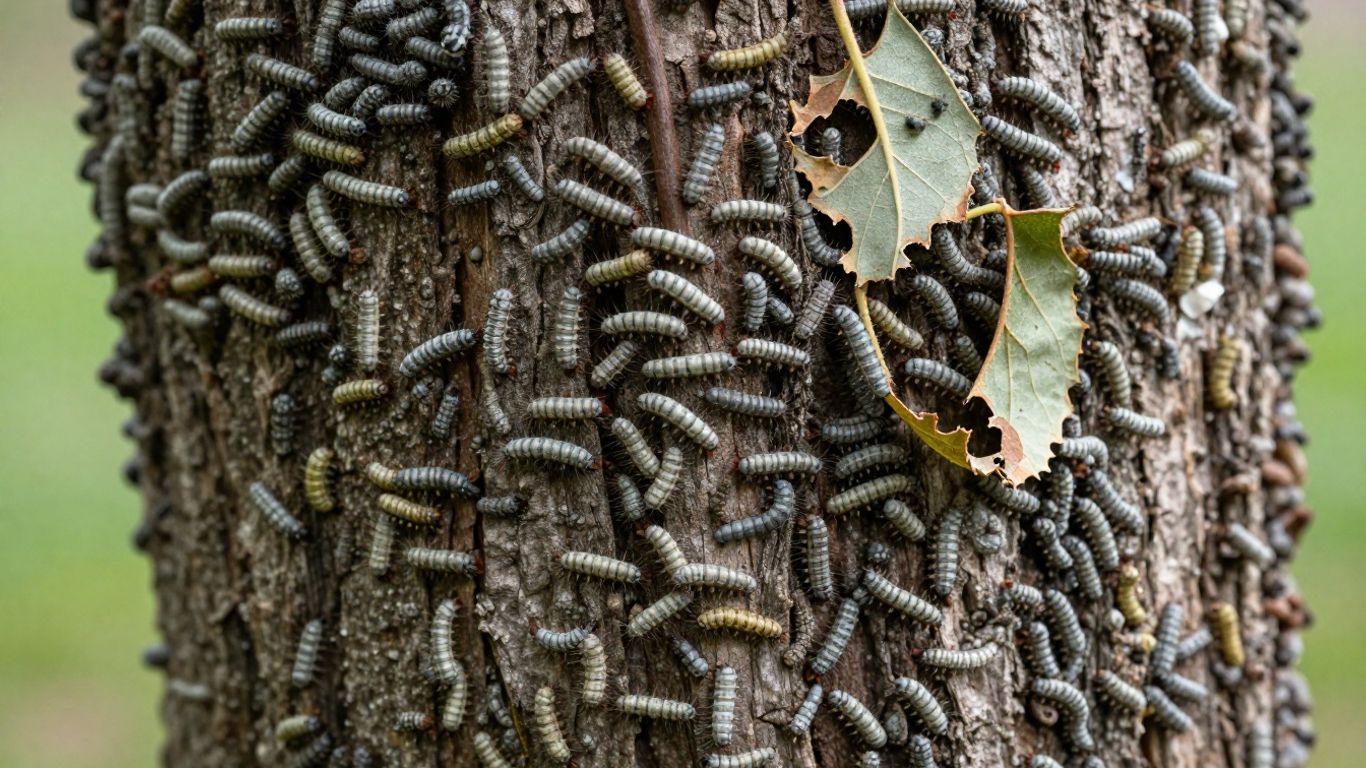
Ottawa’s beautiful ash trees are facing a serious threat from the emerald ash borer, a tiny insect with a big appetite for our local forests. This bug, originally from Asia, has made its way to Canada and is causing a lot of trouble for ash trees across the country, including right here in Ottawa. Since it was first spotted in 2008, the emerald ash borer has spread, leading to the death of millions of trees and costing a lot of money to manage. We’ll explore what this pest is, how it affects our trees, and what can be done about it.
What Is the Emerald Ash Borer?
So, what exactly is this Emerald Ash Borer (EAB) we keep hearing about? Basically, it’s a tiny, shiny green beetle that’s native to Asia. It’s a serious invasive pest that targets and kills ash trees. Think of it like a tiny, destructive invader that doesn’t belong here. It first showed up in North America around 2002, and since then, it’s spread like wildfire across Canada and the United States. Millions of ash trees have already been lost because of it, and the cost to deal with this problem is in the billions.
The EAB is a real threat because it attacks healthy ash trees, which is pretty unusual for pests. The adult beetles lay their eggs on the bark, and when the larvae hatch, they burrow into the tree. They feed on the layer just under the bark, called the cambium, which is super important for the tree’s survival. This feeding essentially girdles the tree, cutting off its supply of nutrients and water. After they’ve done their damage, the adult beetles emerge, leaving behind a distinctive “D”-shaped exit hole.
Here’s a quick rundown of how it works:
- Egg Laying: Adult EAB lay eggs in bark crevices during the summer.
- Larval Stage: Tiny larvae hatch and tunnel under the bark, feeding on the cambium layer.
- Pupal Stage: The larvae develop into pupae within the tree.
- Adult Emergence: Adult beetles emerge, creating “D”-shaped holes as they leave the tree.
EAB Life Cycle: Why Ottawa Trees Are Most at Risk May–August
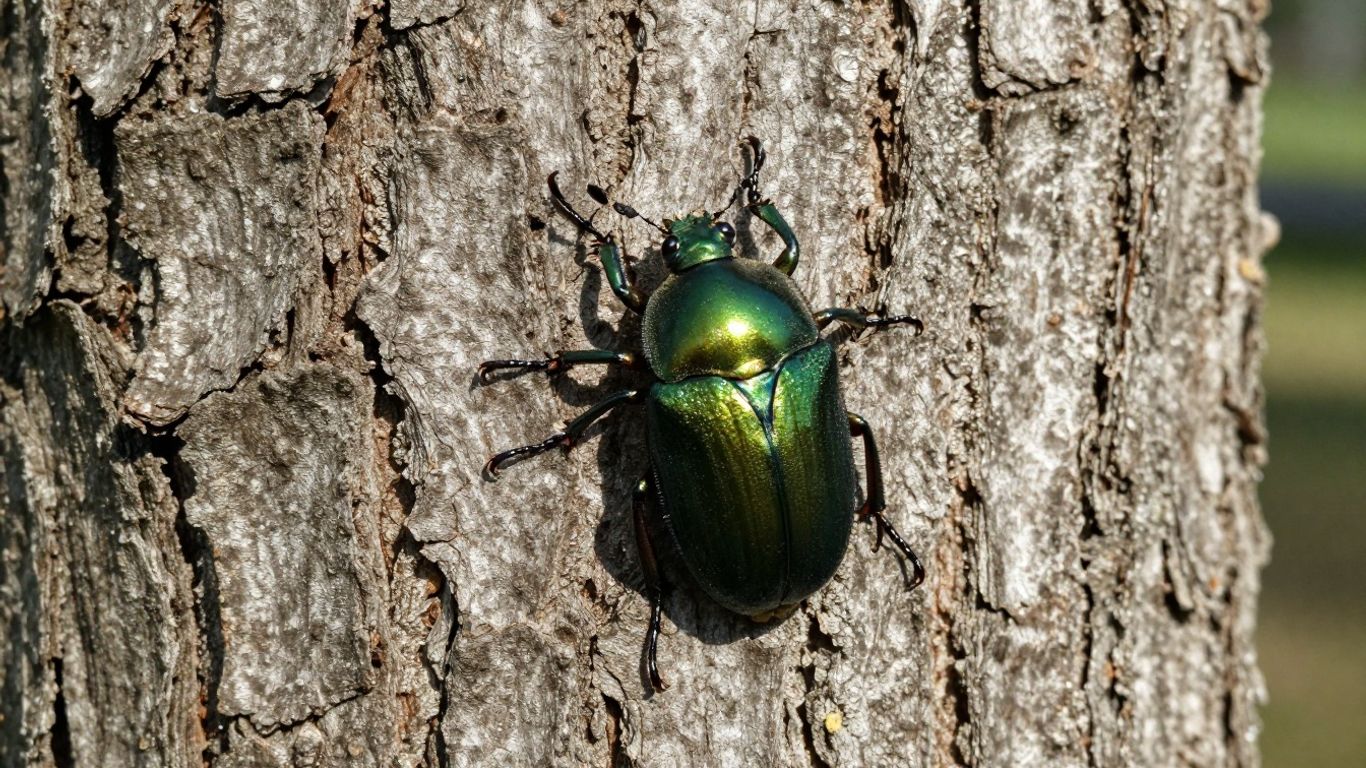
The Emerald Ash Borer (EAB) has a life cycle that really makes Ottawa’s ash trees vulnerable, especially during the warmer months. Think of it as a ticking clock that runs from late spring through summer.
Adult EAB beetles emerge from infested ash trees typically in May or June. This is when they’re most active, flying around and looking for mates and new trees to lay their eggs on. They prefer to lay their eggs on ash trees, and they do this on the bark. The eggs hatch after about a week or two, and that’s when the real trouble starts for the tree.
The newly hatched larvae are tiny and immediately start burrowing into the tree. They tunnel just under the bark, in a layer called the cambium. This is where the tree transports nutrients and water. As the larvae feed and grow, they create S-shaped galleries, essentially cutting off the tree’s supply lines. This feeding frenzy is what ultimately weakens and kills the ash tree.
Here’s a breakdown of the critical period:
- May – June: Adult beetles emerge from trees, mate, and begin laying eggs.
- June – July: Eggs hatch, and larvae start boring into the bark.
- July – August: Larvae continue to feed and grow, creating extensive galleries that damage the tree’s vascular system.
- Late Summer/Fall: Larvae are fully grown and prepare to overwinter within the tree.
This cycle means that by the time you might notice the more obvious signs of infestation, like canopy dieback or D-shaped exit holes, the damage is often quite advanced. The period from May to August is when the EAB is actively reproducing and feeding, making it the most critical time to be aware of potential infestations and to consider protective measures for your ash trees.
Signs Your Ottawa Ash Tree Has Emerald Ash Borer
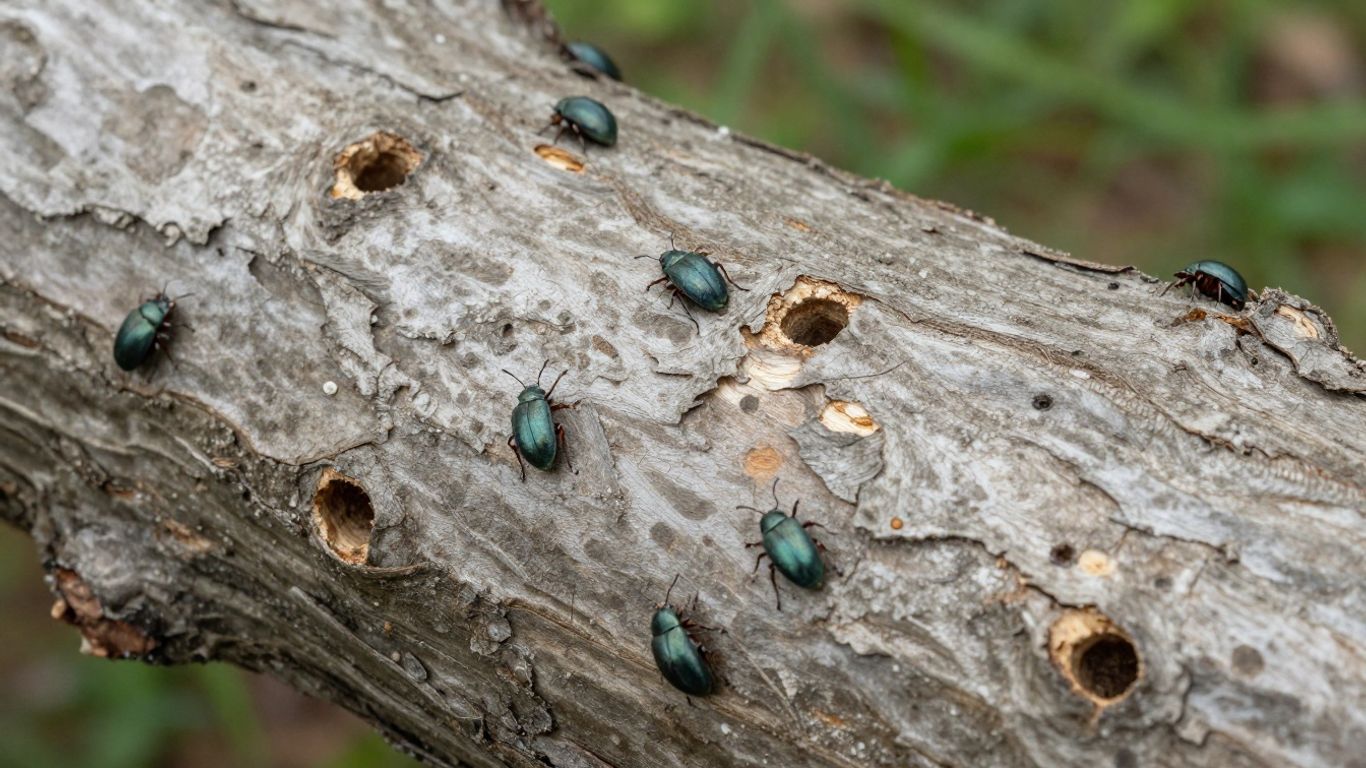
Spotting an ash tree infestation in Ottawa isn’t always straightforward, especially in the early stages. The emerald ash borer (EAB) is sneaky, and by the time you see obvious signs, the damage might already be pretty significant. But keeping an eye out can make a real difference in trying to save your trees.
One of the first things you might notice is thinning in the upper canopy. Leaves start to die off, and the branches become bare. This dieback often starts at the top of the tree and moves downwards. You might also see epicormic sprouts, which are small shoots growing from the trunk or major branches – the tree’s way of trying to compensate for lost foliage.
Look closely at the bark. You’ll want to check for small, “D”-shaped exit holes, usually about 1/8 inch wide. These are made by the adult beetles when they emerge from the tree. Underneath the bark, especially on younger trees or branches, you might find winding galleries created by the larvae as they feed. These galleries are a clear sign of emerald ash borer tree damage.
Here are some key indicators to watch for:
- Canopy Dieback: Starting from the top, branches become bare and leaves wither.
- Epicormic Sprouts: Small shoots appearing on the trunk or main branches.
- “D”-Shaped Exit Holes: Tiny, distinct holes in the bark where adult beetles have emerged.
- Bark Splitting: Vertical splits in the bark can reveal larval galleries underneath.
- Increased Woodpecker Activity: Woodpeckers love to feed on EAB larvae, so a sudden increase in their activity on an ash tree can be a clue.
Don’t hesitate to consult with a certified arborist if you suspect your tree is affected. They can properly diagnose the issue and discuss options for your specific situation, potentially saving your tree or at least managing its removal safely. For more information on identifying ash trees, you can check out resources on Sugar Maple trees and their characteristics, though remember ash trees are distinct.
The Impact of Emerald Ash Borer on Ottawa’s Ash Trees
It’s pretty hard to miss the effect the Emerald Ash Borer (EAB) has had on Ottawa’s trees. Driving around, you’ll see them everywhere – these stark, dead ash trees standing like skeletons along streets and in parks. It’s a real shame because ash trees used to be such a big part of the city’s look, lining streets and providing shade for so many neighborhoods. They were tough, too, handling pollution and Ottawa’s crazy weather.
When EAB first showed up around 2008, nobody really knew what to do. The beetles spread fast, and soon, the damage was widespread. Now, dealing with these dead trees is a huge job for the city. They have to cut them down, which is a big task, especially in wooded areas where they need heavy equipment. It’s a constant effort to keep things safe and tidy.
Here’s a quick look at what’s happening:
- Widespread Tree Loss: Ash trees, once common, are now dying off in large numbers across the city.
- Safety Concerns: Dead trees can become hazards, with branches falling or the whole tree toppling over, especially during storms.
- Landscape Changes: The city’s appearance is changing as familiar tree lines disappear, affecting the character of neighborhoods.
- Ecological Shifts: The loss of ash trees impacts the local environment, affecting wildlife that relied on them for food and shelter.
It’s not just about looks, either. These dead trees can be dangerous. Branches snap off, and sometimes the whole tree comes down, especially when the wind picks up. The city’s forestry teams are constantly busy with removals to prevent accidents. It’s a massive undertaking, and it’s changed the look of Ottawa quite a bit. You used to see these beautiful, leafy streets, and now, sadly, you see a lot of bare branches and stumps.
What EAB Is Costing Ottawa: Environmental & Economic Impact
It’s not just about losing trees; the Emerald Ash Borer (EAB) is hitting Ottawa’s wallet and its natural beauty pretty hard. When these beetles move in, they basically kill off ash trees, and Ottawa had a lot of them, especially along streets and in parks. This means the city has to spend a ton of money dealing with the mess.
First off, there’s the cost of removing dead or dying ash trees. We’re talking about hundreds, sometimes thousands, of trees that need to be cut down and hauled away. It’s a big job, and it adds up fast. Then, there’s the cost of replanting. You can’t just leave empty spots; the city needs to put in new trees, often different kinds to avoid future problems. This isn’t cheap, especially when you’re talking about replacing a whole lot of trees.
Beyond the direct costs, there are other financial hits. Think about the shade those ash trees used to provide. Without them, streets get hotter, meaning more money spent on cooling buildings. Plus, those mature trees were worth something in terms of property value and just making the city look nice. Losing them takes away from that.
The environmental cost is also significant, impacting everything from air quality to wildlife habitats.
Here’s a rough idea of what we’re looking at:
- Tree Removal: Costs can range from a few hundred dollars for a small tree to over a thousand for a large, mature one, including disposal.
- Replanting: New trees, depending on size and species, can cost anywhere from $200 to $600 each, plus installation.
- Preventative Treatments: For valuable trees that are being treated with EAB treatment Ottawa programs, like TreeAzin injections, it’s an ongoing expense, often hundreds of dollars per tree annually.
Dealing with EAB isn’t a one-time fix. It’s an ongoing battle that requires continuous investment in removal, replacement, and sometimes, treatment. The city has to balance these costs with other public services, which is a tough spot to be in.
Identifying Ash Trees at Risk
So, how do you know if your ash tree is a prime target for the Emerald Ash Borer? It’s not just about having an ash tree; some are more vulnerable than others. Generally, any ash tree, regardless of its health, can be attacked. However, older, stressed, or damaged trees often succumb more easily.
Think about the species too. In Ottawa, the most common native ash species are White Ash (Fraxinus americana), Green Ash (Fraxinus pennsylvanica), and Black Ash (Fraxinus nigra). While all are susceptible, Black Ash, in particular, holds significant cultural importance for Indigenous communities, making its potential loss even more impactful.
Here’s a quick rundown of what makes a tree more of a target:
- Location: Trees near areas where EAB has already been found are at higher risk. This includes proximity to industrial zones or places with high traffic, as the beetles can travel.
- Tree Health: While EAB can attack healthy trees, those already weakened by disease, pests, or environmental stress are often the first to fall.
- Species: While all ash species are at risk, understanding the specific type of ash tree you have can be helpful for management strategies.
Preventative Measures Against Emerald Ash Borer
So, you’ve got ash trees in your yard and you’re worried about the emerald ash borer (EAB)? It’s a valid concern, these little pests can really do a number on healthy trees. The good news is, there are things you can do to try and keep them at bay or at least slow them down. It’s all about being proactive and knowing what to look for.
Best Practices for Homeowners
For us regular folks with trees in our yards, the biggest thing we can do is be smart about moving firewood. Seriously, this is how EAB travels to new places. If you buy firewood, try to buy it locally and burn it all before you leave that area. Don’t haul it home or to another campsite miles away. Also, keep an eye on your ash trees. Look for those tell-tale signs we talked about earlier, like thinning leaves or bark damage. The sooner you spot something, the better your chances.
- Don’t move firewood: Buy it where you burn it. This is the number one way EAB spreads.
- Inspect your trees regularly: Look for signs of infestation, especially in the spring and summer.
- Consider preventative treatments: For valuable ash trees, there are insecticide options that can protect them.
- Plant diverse trees: Don’t put all your eggs in one basket. Mix up the types of trees you have on your property.
Municipal Strategies and Programs
Cities and towns have a tougher job when it comes to EAB. They’re dealing with thousands of trees, often in public spaces. Ottawa has been working on strategies to manage the EAB situation, and these often involve a mix of monitoring, public education, and sometimes, treatment or removal of infested trees. They also have rules about moving ash wood and firewood to try and stop the spread.
Slowing the spread of the emerald ash borer is a cost-effective strategy. Even if measures only reduce its movement by a small percentage, it can make a big difference in managing the overall costs associated with the pest over time. This approach also buys valuable time for developing new management techniques.
Municipalities often have specific programs or guidelines for residents. It’s a good idea to check your local city or municipal website for any EAB-related alerts, advisories, or programs they might be running. They might offer resources, advice, or even subsidized treatments for certain situations. It’s a team effort, really, and staying informed is key.
Treatment Options and Professional Help
Dealing with the Emerald Ash Borer (EAB) can feel overwhelming, and honestly, it’s not something most of us can tackle alone. When you first notice those tell-tale signs, like dying branches or those distinctive “D”-shaped exit holes, it’s time to call in the pros. They’ve got the tools and the know-how to figure out just how bad the infestation is and what can actually be done.
There are a few main ways professionals approach EAB. For trees that are still relatively healthy, or if the infestation is caught super early, insecticide treatments can be an option. These aren’t your typical bug sprays; they’re specialized chemicals injected directly into the tree or applied as a soil drench. The goal is to protect the tree’s vascular system from the EAB larvae. It’s a bit of a race against time, though, as these treatments work best when the tree isn’t too far gone.
Here’s a quick look at common treatment approaches:
- Systemic Insecticides: These are absorbed by the tree and move through its system, poisoning the larvae when they feed. They need to be applied regularly, usually every one to two years, depending on the product and the severity of the infestation.
- Trunk Injections: A more targeted method where insecticide is directly injected into the tree’s trunk. This can be very effective and often requires less frequent application than soil treatments.
- Basal Trunk Sprays: Applied to the lower part of the trunk, these treatments can also protect the tree from EAB.
Long-Term Solutions and Tree Replacement in Ottawa
Dealing with the Emerald Ash Borer (EAB) in Ottawa isn’t just about immediate fixes; it’s about planning for the future of our urban forest. Since EAB is unlikely to be completely wiped out, we need strategies that focus on resilience and diversity. This means thinking beyond just treating individual trees and looking at the bigger picture for our city’s green spaces.
The goal is to create a more varied and robust tree population that can better withstand future pest outbreaks.
When ash trees are removed, it’s a chance to replant with a mix of species. This approach helps prevent a single pest from devastating large areas again. The city has been working on this, but it’s a slow process. Here’s a look at what’s involved
- Diversifying Species: Planting a wide range of tree types, not just ash, is key. Think maples, oaks, lindens, and other native species that are well-suited to Ottawa’s climate.
- Strategic Planting: New trees are often planted in areas where ash trees have been removed, helping to fill the canopy and restore ecological function.
- Community Involvement: Homeowners can play a role by choosing appropriate trees for their properties and learning about proper care. Some ash tree treatment Ottawa options are available for high-value trees, but replacement is often the most practical long-term solution.
The removal of dead ash trees, while sad, opens up opportunities. It allows sunlight to reach the forest floor, encouraging new growth and making space for a variety of younger trees. This natural regeneration, combined with thoughtful replanting, is how we rebuild a healthier urban forest.
For homeowners looking to replace ash trees or add new ones, consulting with local arborists is a good idea. Companies like Advanced Tree Solutions can offer advice on the best species to plant and provide professional services for removal and planting. It’s an investment in the future beauty and health of our city.
Frequently Asked Questions
What exactly is the Emerald Ash Borer (EAB)?
The Emerald Ash Borer, or EAB, is a tiny, shiny green beetle that comes from Asia. Sadly, it’s a major pest that attacks and kills ash trees. It was first found in North America around 2002 and has since spread quite a bit, causing a lot of trouble for ash trees across Canada and the United States.
How does the EAB harm ash trees?
When the adult EAB beetles lay their eggs on the ash tree’s bark, the baby beetles (larvae) tunnel into the tree. They chew through a crucial layer called the cambium, which is like the tree’s food delivery system. This damage stops the tree from getting water and nutrients, and over time, it weakens and eventually kills the tree.
What are the main signs that an ash tree has EAB?
You might notice a few things. Look for thinning leaves on the top of the tree, small “D”-shaped holes in the bark where the adult beetles have exited, and sometimes epicormic sprouts (new shoots) growing from the base or trunk of the tree. You might also see woodpeckers pecking away, as they like to eat the EAB larvae under the bark.
How does the EAB spread so quickly?
The EAB has two main ways of spreading. The adult beetles can fly short distances on their own. However, the biggest problem is when people accidentally move infested firewood, logs, or other ash wood products. This can carry the beetles hundreds of kilometers away to new, uninfested areas.
Are there ways to protect ash trees from EAB?
Yes, there are! For homeowners, it’s important to avoid moving firewood. If you have ash trees on your property, you can talk to a professional about treatments that can protect them. Cities and towns also have programs to manage EAB, which might include removing infested trees or treating healthy ones in certain areas.
If my ash tree is infested, can it be saved?
It really depends on how bad the infestation is and how quickly you catch it. If the tree is only slightly infested, treatments might be able to save it. However, if the tree is heavily damaged, it’s often too late, and the best course of action might be to safely remove the tree to prevent the spread of EAB to other ash trees.