
You might not even realize it, but there could be some unwelcome guests growing in your yard right now. Invasive tree species are popping up all over Ottawa, and they’re not just a nuisance. These plants can cause real problems for our local environment. This article is all about helping you figure out what invasive tree species Ottawa residents might be dealing with and what you can do about it.
Why Invasive Trees Are a Problem in Ottawa
Ecological Impacts
Invasive trees in Ottawa may seem harmless at first glance, but even one can trigger a long list of ecological headaches. They crowd out native trees and plants by growing faster, spreading seeds aggressively, and using up vital resources like light, water, and nutrients. This leaves less room for species that have supported local wildlife for generations. Invasive trees often break up the balance that keeps forests, city parks, and urban green spaces healthy.
- Displacement of native trees and plants on which insects, birds, and small mammals depend
- Reduced biodiversity as invasive species take over the understory and outcompete traditional plants
- Degraded habitat, making it harder for wildlife to find food and nesting sites
- Disruption of local food webs—when native plants vanish, so do the animals that rely on them
Economic and Social Consequences
The negative impacts aren’t limited to nature. Invasive trees can create a surprising drain on city budgets, property values, and even our day-to-day convenience.
Here’s how homeowners and locals are often affected:
- Extra costs for removal or professional management, especially when a tree is too large or hazardous to handle alone
- Trouble with roots invading driveways, septic systems, and underground lines
- Fewer native songbirds, pollinators, or butterflies are visiting the garden or neighborhood
These issues are only expected to get worse if proactive steps aren’t taken. Community action—like joining volunteer events or advocating for smarter land management—matters more now than ever, as noted in efforts to address large-scale projects in the National Forest.
Common Invasive Tree Species Found in Ottawa
Ottawa’s urban forest is beautiful, but it’s also home to some unwelcome guests. These invasive trees, often introduced for their ornamental value or rapid growth, can quickly take over, pushing out native species and disrupting the local ecosystem.
Norway Maple (Acer platanoides)
This tree is a classic example of something that looked good but turned out to be a problem. Norway Maples were planted widely because they grow fast and have nice shade. However, they produce a lot of seeds that spread easily, often outcompeting native trees like sugar maples and red maples. Their dense canopy can also shade out the undergrowth, making it hard for other plants to grow.
Manchurian Elm (Ulmus pumila)
Also known as Siberian Elm, this tree is tough and can survive in harsh conditions, which is why it was often planted as a street tree. Unfortunately, its resilience means it can also take over natural areas. It spreads aggressively, forming dense stands that can crowd out native vegetation. It’s a real challenge to manage once it gets established.
Black Locust (Robinia pseudoacacia)
Black Locust is a nitrogen-fixing tree, which sounds good, but it means it can actually change the soil in a way that helps it spread and makes it harder for other plants to grow. It spreads through root suckers and seeds, quickly forming thickets. These thickets can alter the habitat for native wildlife and reduce biodiversity. You might see it popping up in disturbed areas or along roadsides.
Tree of Heaven (Ailanthus altissima)
This tree is notorious for its aggressive growth and its ability to thrive just about anywhere, from sidewalk cracks to forest edges. It spreads rapidly through both seeds and root sprouts. Tree of Heaven also releases chemicals into the soil that can inhibit the growth of other plants, a phenomenon known as allelopathy. Its distinctive, foul-smelling leaves when crushed are a key identifier, though not a pleasant one.
Here are some general characteristics to look for when identifying invasive trees:
- Rapid Growth: Invasive trees often grow much faster than native species.
- Abundant Seed Production: They typically produce a large number of seeds that are easily dispersed by wind, water, or animals.
- Dense Thickets: They can form dense stands that exclude native plants and alter habitats.
- Lack of Natural Predators: In their new environment, they often lack the insects or diseases that would keep them in check in their native range.
If you suspect you have found an invasive species, reporting sightings is important. Organizations like the Ontario Invasive Plant Council work to track the spread of these plants across the province. You can find more information on identifying and reporting invasive species in Ottawa, Ontario has to offer.
Identifying Invasive Trees in Your Yard
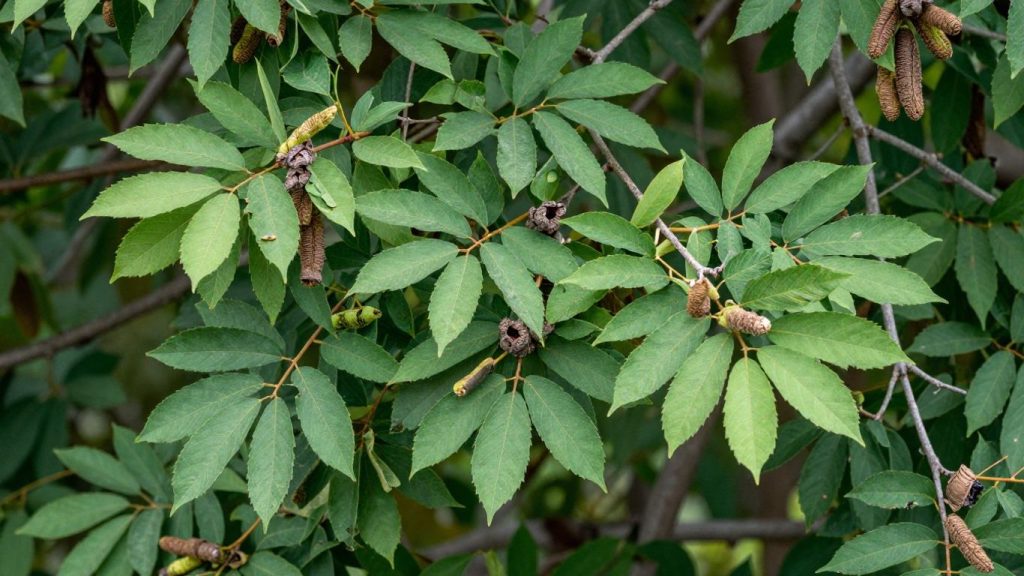
Spotting an invasive tree in your own backyard might seem tricky, but there are some common signs to look out for. It’s not always about a dramatic, immediate threat; sometimes, it’s the slow, steady takeover that causes the most trouble. The first step is simply knowing what you’re looking for.
Many invasive trees share certain characteristics that set them apart from native species. They often grow much faster, produce a huge number of seeds, and can outcompete local plants for sunlight, water, and nutrients. You might notice them popping up in unexpected places, like cracks in the sidewalk or dense patches in a park.
If you’re unsure, taking clear photos and noting the tree’s location can help you consult with local arborists or environmental groups. Early identification is key to preventing these trees from becoming a larger problem.
What You Can Do to Help
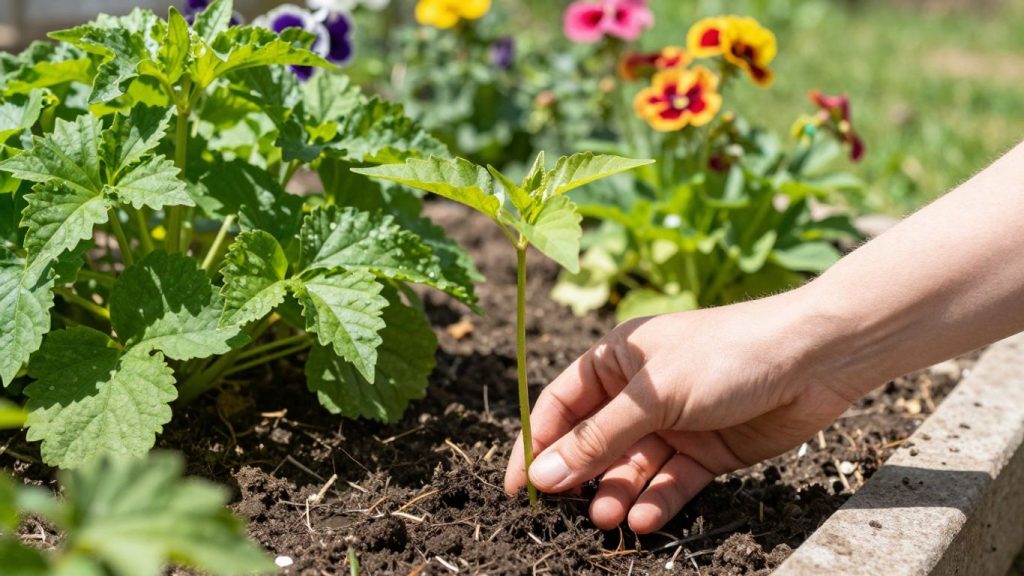
Okay, so we’ve talked about why these invasive trees are a headache and what they look like. Now for the good part: what can you actually do about it? It might feel like a big problem, but honestly, every little bit helps. Your yard is a great place to start making a difference.
Removal and Replacement Strategies
Getting rid of invasive trees isn’t always as simple as just pulling them out. Some, like the Norway Maple, can be tough. For smaller infestations or younger trees, manual tree removal might work. This usually means digging them out, roots and all, especially before they get too big or start dropping seeds everywhere. Make sure you get the whole root system, otherwise, they can just grow back.
For larger trees or really stubborn ones, you might need to look into more specific methods. Sometimes, cutting them down is just the first step. You might need to treat the stump to stop regrowth, or even consider professional help if you’re dealing with something like Tree of Heaven, which can resprout from root fragments.
Once you’ve cleared out an invasive tree, the next step is to replace it. This is where you can really help the local ecosystem. Planting native trees and shrubs is the best bet. They’re already adapted to our climate, so they’ll need less fussing over, and they provide food and shelter for local birds and insects. Think about species that are good for pollinators or offer berries for wildlife. It’s a win-win: you get a nice yard, and the local critters get a place to hang out.
Here’s a quick rundown on disposal:
- Bag it up: After removal, put all plant material (leaves, branches, roots) into heavy-duty plastic bags. Don’t just toss it in your yard waste bin!
- Sun bake: Leave the sealed bags in direct sunlight for at least a week. This helps to kill off any remaining seeds or plant parts.
- Trash it: After baking, you can put the bags out with your regular garbage. This prevents them from spreading in compost or landfills.
Not sure where to start? Advanced Tree Solutions offers professional invasive tree removal across Ottawa — contact us for a free assessment.
Reporting Sightings and Resources
Sometimes, you’ll spot invasive trees in public spaces – parks, along roadsides, or in natural areas. Don’t just ignore them! Reporting these sightings is super important. The City of Ottawa and local environmental groups often track where these plants are popping up, and your report can help them prioritize areas for removal efforts. There’s usually an online form or a number you can call.
Here are some places to get more info and help:
- Ottawa Stewardship Council: They often organize volunteer events for removing invasive species from local natural areas. It’s a great way to learn more and meet people who care about this stuff.
- Ottawa Wildflower Seed Library: If you’re looking for native plants to put in your yard after removing invasives, this is a fantastic resource. They can help you find the right species for our area.
- City of Ottawa’s Website: Check their Parks and Recreation or Environment sections. They usually have information on invasive species and how to report them.
Getting involved with local groups or simply staying informed makes a big difference. It’s all about working together to keep Ottawa green and healthy.
Frequently Asked Questions
What exactly makes a tree species “invasive” in Ottawa?
An invasive tree species does not naturally grow in Ottawa. It’s brought here from somewhere else and then starts to spread really fast. Because it’s not from here, it often doesn’t have any natural enemies, so it can take over and push out the trees and plants that are supposed to be here.
Why are invasive trees bad for our local environment?
Invasive trees can be a big problem because they crowd out the native plants that local animals and insects rely on for food and shelter. They can change the whole look and feel of a forest or park, making it harder for native species to survive and thrive. This messes up the natural balance of our local ecosystems.
Are there any invasive trees I might find in my backyard in Ottawa?
Yes, there are a few common ones! You might see Norway Maple, which looks similar to our native Sugar Maple but spreads much more aggressively. Manchurian Elm, Black Locust, and Tree of Heaven are also known to pop up and cause issues in the Ottawa area.
How can I tell if a tree in my yard is invasive?
Identifying invasive trees can be tricky, as some look a lot like native species. It’s helpful to learn the specific features of common invasive trees, like their leaf shape, bark, and how they grow. Local resources and guides can help you compare trees in your yard to pictures and descriptions of invasive ones.
What should I do if I find an invasive tree on my property?
The best thing to do is remove it! For smaller invasive plants, you might be able to pull them out yourself. For larger trees, you might need to hire a professional. It’s also super important to get rid of the removed plant material properly so it doesn’t spread. Don’t put it in your green bin; seal it in bags and put it in the regular garbage.
Besides removing them, how else can I help stop invasive trees?
You can help by planting native trees and flowers instead of invasive ones. Native plants support our local wildlife better. You can also report sightings of invasive trees on public land to the city or local environmental groups. Spreading the word and educating others is also a big help!


