Winter might seem like a quiet time for trees, but it’s actually when many pests are setting up shop for the spring. It’s easy to forget about bugs when it’s freezing outside, but they’re just hunkering down, waiting for warmer weather. If you don’t keep an eye out, you might wake up to a real mess when the leaves start to bud. This article will help you figure out what to look for and how to handle pest infestation on trees in winter.
Key Takeaways
- Many tree pests, like aphids and scale insects, survive winter as eggs or in dormant stages, ready to cause problems in spring.
- Winter is a good time to inspect trees for signs of pests because the lack of leaves makes damage more visible.
- Look for sawdust-like material, peeling bark, galls, or sticky sap as indicators of an infestation.
- Preventative steps like cleaning up debris, pruning dead branches, and protecting young trees can help reduce pest problems.
- Using dormant oils during winter can effectively target overwintering pests and their eggs before the growing season begins.
Why Winter Pests Are a Concern for Your Trees
It’s easy to think that when the temperatures drop, all those pesky bugs and critters just pack up and leave. But honestly, winter is actually a prime time for certain tree threats to set up shop, or at least get comfortable for the long haul. Many insects and diseases don’t actually die off; they just go into hiding. They’re waiting patiently in egg masses, larvae stages, or as dormant spores tucked away in bark crevices, under leaf litter, or even in the soil around your tree’s base. This hidden activity can set the stage for serious damage come spring.
When trees are dormant, they’re not actively growing and producing new defenses like they do in warmer months. This makes them more vulnerable. Pests that overwinter can weaken a tree’s structure by tunneling through the bark or wood. This weakening can lead to broken branches during heavy snow or windstorms. Plus, these tiny invaders can stress the tree, making it a much easier target for other diseases and problems. It’s like leaving the door unlocked for more trouble.
Think about it: by the time you see obvious signs like wilting leaves or peeling bark in the summer, the infestation has likely been going on for months. Winter offers a unique window to catch these problems before they really take hold. It’s a chance to get ahead of the game and protect your trees before they’re too far gone. Keeping an eye on your trees, even when they look bare, is super important for their long-term health. For example, Eastern white pines can be susceptible to various issues that might start subtly in winter.
Here are a few things to keep in mind about why winter pest issues matter:
- Structural Weakness: Pests like borers create tunnels that compromise the integrity of branches and the trunk, making them prone to breaking.
- Disease Entry Points: Damaged bark or weakened areas from pest activity can allow fungi and bacteria to infect the tree.
- Nutrient Depletion: Sap-sucking insects, even in their dormant stages, can continue to drain vital nutrients, weakening the tree’s overall health.
- Spread to Healthy Trees: Overwintering pests can easily spread to nearby healthy trees once temperatures rise, turning a small problem into a widespread issue.
Identifying Common Winter Pests Affecting Trees
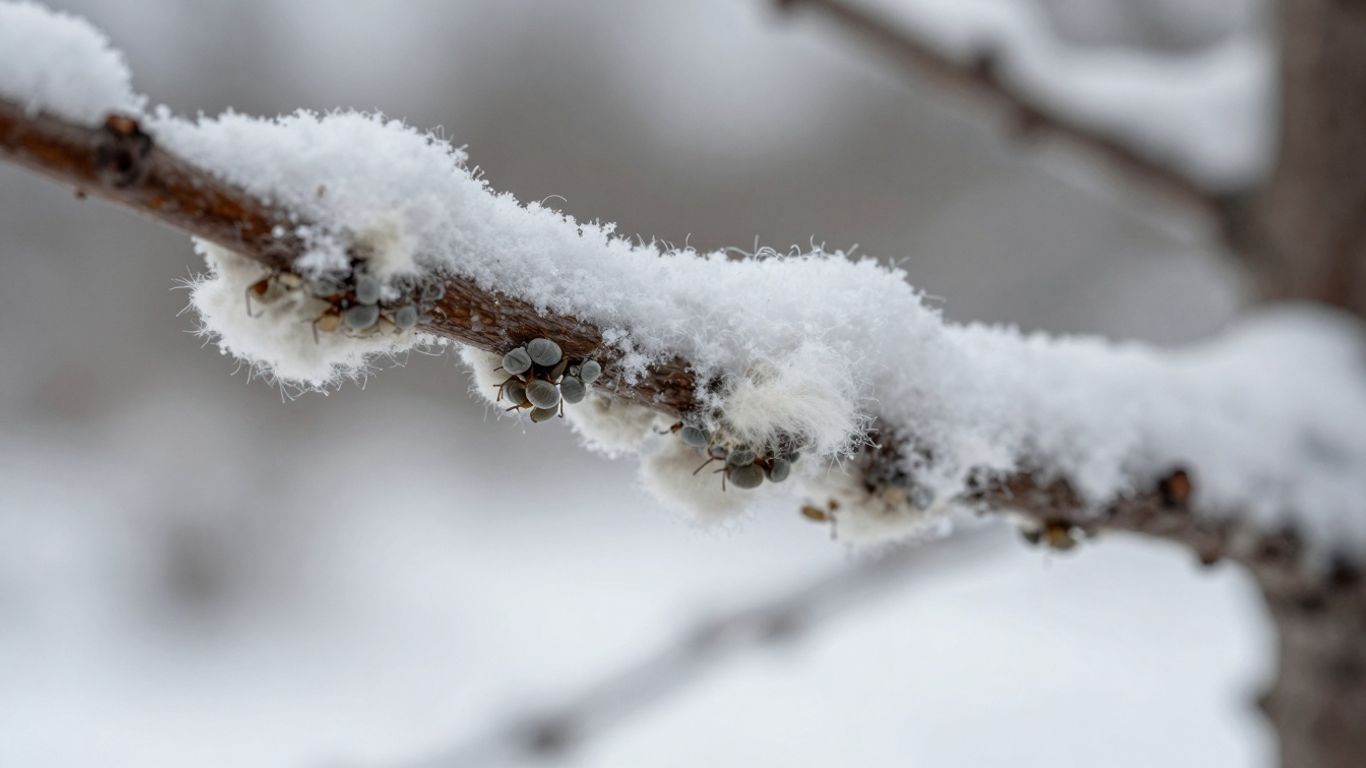
Even when the weather turns cold and trees appear to be sleeping, many pests are still around, just in different forms. Understanding these common winter pests affecting trees is the first step in protecting your landscape. These tiny invaders can do a lot of damage if you don’t catch them early. Winter tree pests might not be as obvious as their summer counterparts, but they can set the stage for serious problems come spring.
Aphids and Their Overwintering Habits
Aphids are small, sap-sucking insects that can be a real nuisance. While they are most active during warmer months, their eggs often overwinter on twigs and bark. These tiny eggs are usually laid in late fall and can survive freezing temperatures. When spring arrives, these eggs hatch, and the new aphid generation begins feeding on new growth. You might notice a sticky residue, called honeydew, on leaves or branches, which can also lead to sooty mold growth. Sometimes, you might even find them on your Christmas trees if they’ve been brought indoors from outside.
Scale Insects: A Silent Threat
Scale insects are often overlooked because they don’t look like typical insects. They tend to attach themselves to branches and twigs, appearing more like small bumps or scales. There are two main types: soft scales and armored scales. Both feed on tree sap, draining the tree of vital nutrients. This can lead to yellowing leaves, reduced growth, and weakened branches. Scale insects are a silent threat because they move very little and can be hard to spot until an infestation is quite advanced. They often overwinter in a dormant stage, making them a persistent problem.
Mites and Their Dormant Stages
Mites, especially spider mites, are another group of common tree pests in winter. These arachnids are incredibly small, often too small to see without magnification. While they prefer hot, dry conditions, many species overwinter in bark crevices or as eggs on the tree. You might notice fine webbing on branches or a bronzing or stippling effect on needles or leaves, which is a sign they’ve been feeding. Winter is actually a good time to manage them because they are less active and easier to target with certain treatments.
Borers and Their Larval Activity
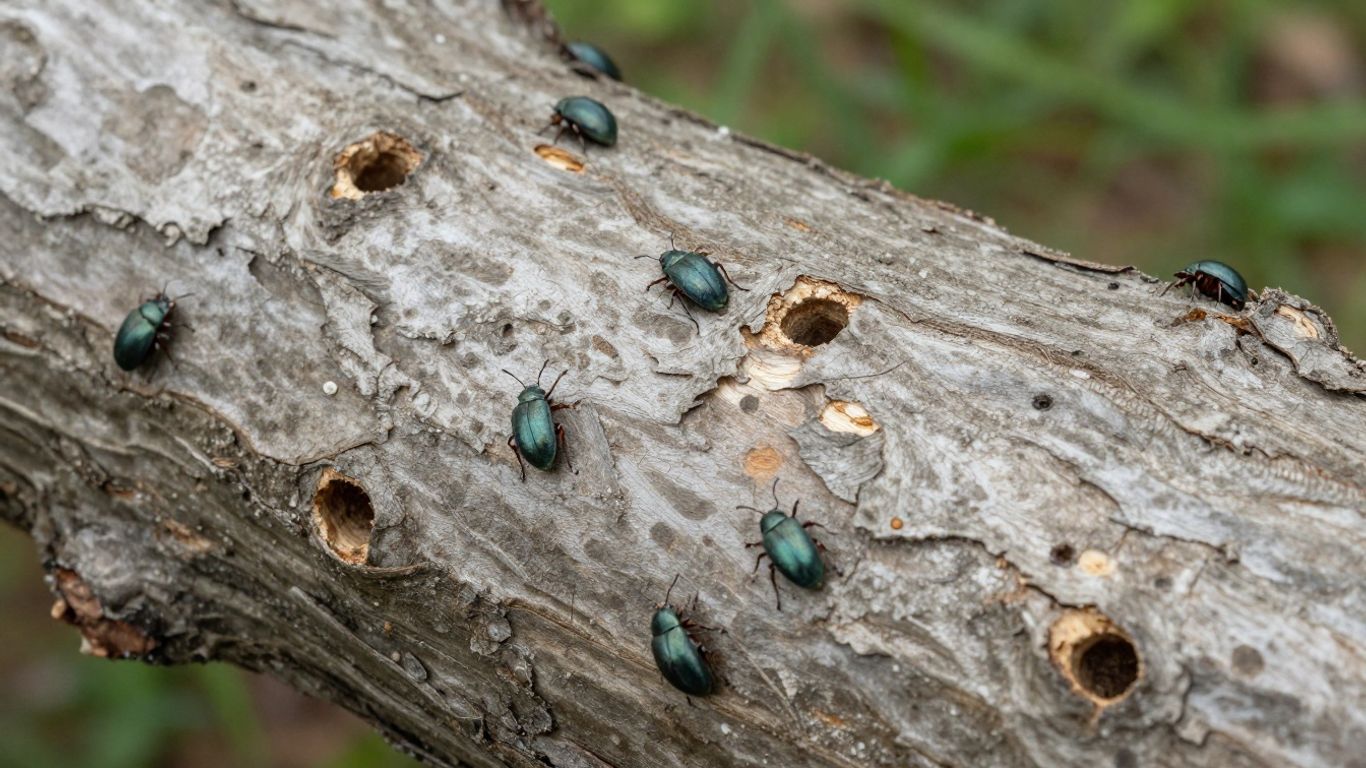
Borers are insects that bore into the wood of trees, and their larval stages are particularly destructive. Many borer species overwinter as larvae or pupae within tunnels under the bark or in the wood itself. As temperatures rise in spring, they become active again, feeding and expanding their tunnels. This activity can disrupt the flow of water and nutrients within the tree, leading to dieback, weakened branches, and increased susceptibility to disease. Signs of borers can include small holes in the bark, sawdust-like frass (insect excrement) near the base of the tree or on branches, and unexplained wilting or death of branches.
Identifying winter tree pests requires a keen eye and knowing what to look for. Since trees lack leaves in winter, it’s actually a great time for winter tree disease identification and pest checks. You can see the bark, branches, and trunk more clearly, making it easier to spot those tell-tale signs of trouble before they become major issues in the spring.
Signs of a Winter Pest Infestation
Even when it’s cold outside and your trees look like they’re just sleeping, pests can still be up to no good. It’s easy to think that winter means a break from bug problems, but many insects and their eggs are just hunkering down, waiting for warmer weather. Spotting these hidden invaders before they really get going is key to keeping your trees healthy.
Visual Inspection: What to Look For
When the leaves are gone, it’s actually a great time to get a good look at your trees. You can see things you might miss when everything’s in full bloom. Start by just walking around your trees and giving them a good once-over. Look closely at the bark, especially in the nooks and crannies. You might see tiny holes, which could be from borers, or maybe some sawdust-like material (called frass) near the base of the tree. Sometimes, you’ll find sticky stuff oozing from branches, which can be a sign of scale insects or aphids. Also, keep an eye out for any unusual webbing, which might point to mites.
- Check the bark for small holes or tunnels. These are often signs of boring insects. Inspect your trees for these tell-tale marks.
- Look for powdery or sawdust-like material at the base of the tree or on lower branches.
- Examine branches for any sticky residue or sap. This can indicate sap-sucking insects.
- Scan for fine webbing, especially in branch crotches, which could mean spider mites.
Don’t dismiss small signs. What looks like minor damage now could be the start of a much bigger problem come spring. Early detection is your best bet.
Damage Patterns to Recognize
Beyond just seeing the pests themselves, the damage they leave behind can tell you a lot. Sometimes, you’ll notice bark that’s peeling away more than usual, or it might look cracked and damaged. This can happen when certain pests are feeding or tunneling. You might also see small, raised bumps on branches or twigs – these are often scale insects hiding out. If you find clusters of tiny eggs, especially in bark crevices, that’s another red flag. It’s also worth checking any fallen leaves from last season; look for unusual spots or holes that weren’t there before.
- Peeling or splitting bark: This can be a sign of insect activity underneath or stress from pests.
- Galls or abnormal growths: These are often the tree’s reaction to insect eggs or larvae.
- Discolored or dead twigs/branches: Pests can block the flow of nutrients, leading to dieback.
- Unusual leaf spots or holes: Even on fallen leaves, these can indicate past pest activity.
Strategies for Managing Winter Tree Pests
Winter might seem like a quiet time for your trees, but it’s actually a prime season for dealing with pests. Many insects and diseases use the cold months to hide, lay eggs, or wait for their chance to strike in spring. Taking action now is key to protecting your trees before the growing season even begins. Understanding how to handle pest infestations on trees in winter can save you a lot of trouble down the line.
Preventative Measures for the Off-Season
Preventing pests in winter is all about making your trees less appealing and harder to access for overwintering insects and pathogens. It’s about being proactive and setting your trees up for success when spring arrives. Here are some effective ways to prevent tree pests in winter:
- Inspect and Prune: Take a good look at your trees. Remove any dead, damaged, or diseased branches. This not only improves the tree’s overall health but also eliminates hiding spots for pests and their eggs. It’s a good idea to clean your pruning tools between cuts to avoid spreading any potential issues.
- Clean Up Yard Debris: Pests love to hide in leaf litter, mulch piles, and fallen fruit. Rake up fallen leaves and remove any debris from around the base of your trees. This removes potential overwintering sites and makes it harder for pests to find shelter.
- Proper Firewood Storage: If you have firewood, make sure it’s stored well away from your trees and your house. Pests often hitch a ride on firewood and can easily migrate to nearby living trees. Aim for at least 20 feet away.
- Protect Tree Trunks: For young trees or those with thin bark, consider using tree wraps. These can protect the bark from cracking due to temperature fluctuations and also deter burrowing pests like voles and rabbits. This is a simple step for protecting trees from bugs in winter.
- Dormant Oil Applications: Applying horticultural or dormant oils during the late winter or early spring, before buds break, can smother overwintering insects like scale and mites. It’s important to follow application instructions carefully to avoid harming the tree. This is a safe pest treatment for trees in winter when done correctly.
Treatment Options When Infestations Occur
Sometimes, despite your best efforts, you might still find signs of a pest problem. If you notice something isn’t right, it’s important to act quickly. Early detection and the right treatment can make a big difference.
- Identify the Pest: Before you treat, try to figure out what you’re dealing with and how to handle pest infestations on trees in winter. Different pests require different approaches. Look for signs like sticky residue, sawdust-like frass, webbing, or visible insects. Knowing the specific pest helps in choosing the most effective and safe pest treatment for trees in winter.
- Targeted Treatments: Depending on the pest, treatments can vary. For scale insects, dormant oils are often effective. For borers, the situation can be more complex, sometimes requiring systemic treatments or even the removal of heavily infested trees to protect others. Consulting with an arborist is a good idea if you’re unsure.
- Professional Consultation: If you’re unsure about identifying the pest or the best course of action, don’t hesitate to call a certified arborist. They have the knowledge and tools to accurately diagnose the problem and recommend the most appropriate treatment. They can also help with winter planning for your trees, ensuring they are healthy and resilient.
Remember, consistent monitoring and timely intervention are your best defenses against winter tree pests. Taking these steps helps in how to prevent tree pests in winter and keeps your trees healthy year-round.
Don’t Let Pests Win This Winter
So, even though it’s cold out, pests are still a thing your trees have to deal with. They might be hiding, but they’re definitely not gone. Taking a little time now to check your trees and clean up around them can save you a lot of headaches later. If you’re not sure what you’re looking for or how to handle it, don’t be afraid to call in the pros. Getting a handle on things during the winter means your trees will be much healthier and stronger when spring rolls around. It’s all about being a little proactive so you don’t have a big problem down the road.
Frequently Asked Questions
Why should I care about tree pests when it’s cold outside?
Even though it’s cold, many pests aren’t gone. They might be hiding as eggs or larvae in the bark or soil, just waiting for warmer weather to hatch and cause trouble. It’s easier to stop them now before they can do real damage in the spring.
What are some common pests I might find on my trees in winter?
You might find things like aphids, which lay eggs that survive the winter. Scale insects, which look like tiny bumps on branches, also hang out during the cold. Spider mites can hide in bark crevices, and borers have larvae that tunnel into the wood.
What are the signs that my tree has pests, even in winter?
Look closely at the bark for tiny holes or tunnels, peeling bark, or even sawdust-like material at the base. You might also see sticky sap oozing from branches or weird-looking growths. Since there are no leaves, it’s easier to spot these issues.
Can I do anything to prevent pests during the winter?
Yes! You can clean up fallen leaves and debris around your trees, as pests like to hide there. Also, avoid storing firewood near your trees because bugs can travel from the wood. For young trees, consider wrapping the trunks to protect them.
What’s the best way to treat pests on trees in winter?
One effective method is using a dormant oil spray. This oil smothers overwintering insects and their eggs. It’s best to apply it when the temperature is above 40°F. Sometimes, professional help is needed, especially for tough infestations.
When should I call a professional for help with tree pests?
If you see a lot of damage, like peeling bark or tunnels, or if you’re unsure what pest you’re dealing with, it’s a good idea to call an arborist. They have the tools and knowledge to identify the problem and treat it safely and effectively.