
Our Service Areas

Common Tree diseases in the Ottawa area
Knowing the signs of common tree diseases can help you protect your trees before serious damage occurs.
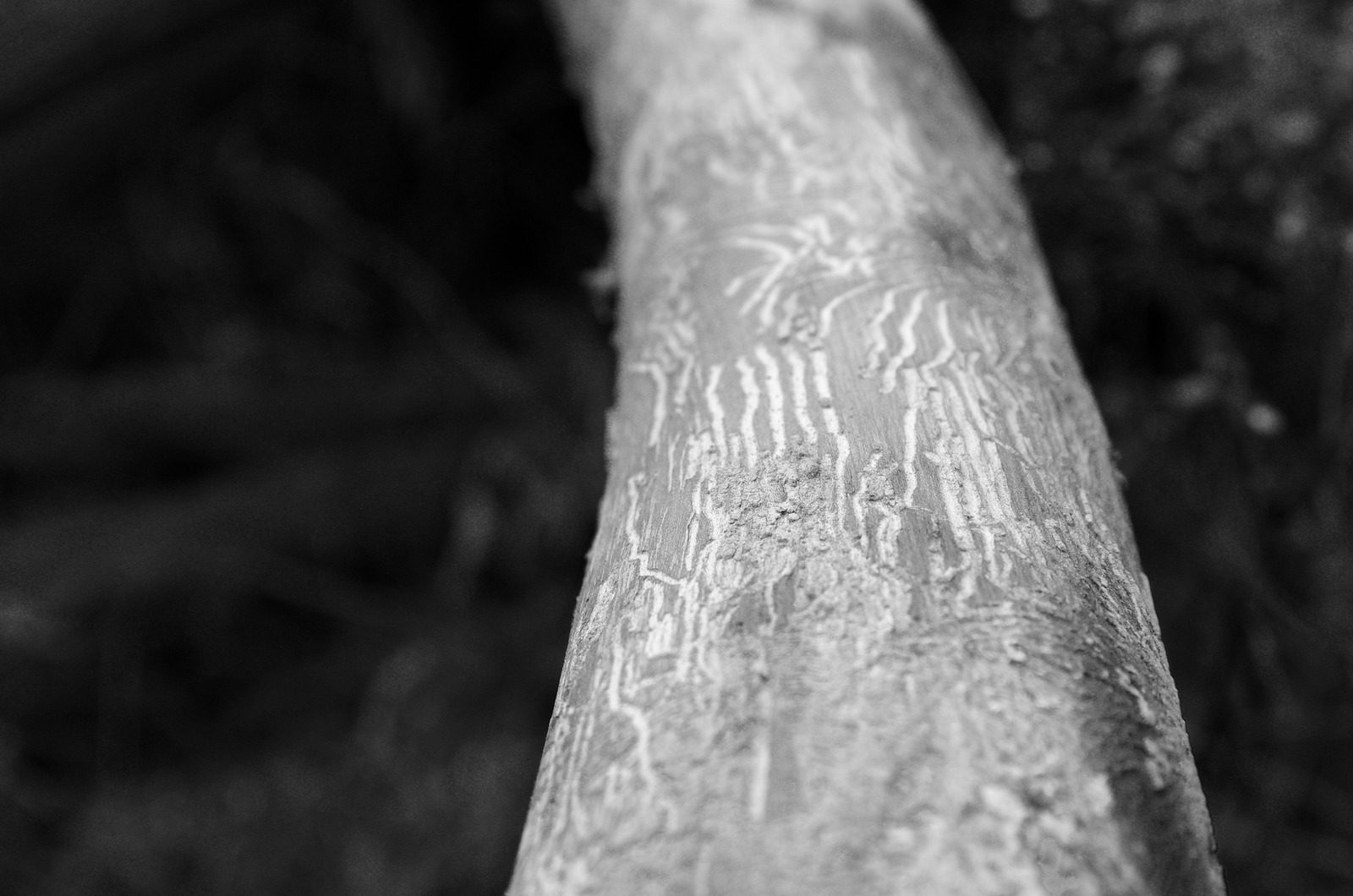
Dutch Elm Disease
Dutch elm disease remains a concern for elm trees throughout Ottawa. This fungal disease spreads through elm bark beetles and can cause wilting, branch dieback, and decline. Our arborist can assess affected trees and identify warning signs before damage becomes extensive.
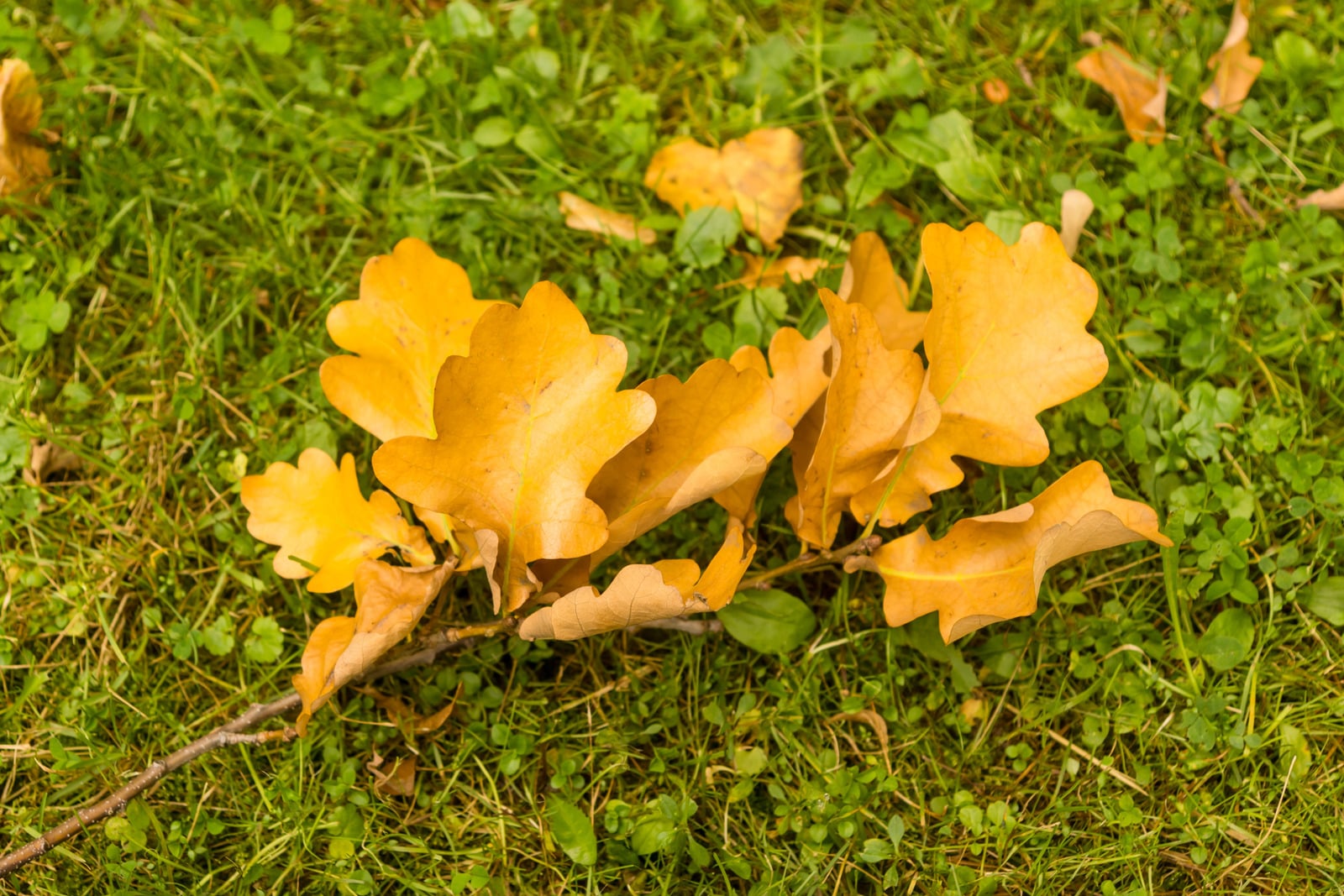
Oak Wilt
Rapid canopy decline is often one of the first signs of oak wilt. The disease interferes with the movement of water and nutrients, causing stress throughout the tree. We can evaluate your oak trees and recommend appropriate management options.
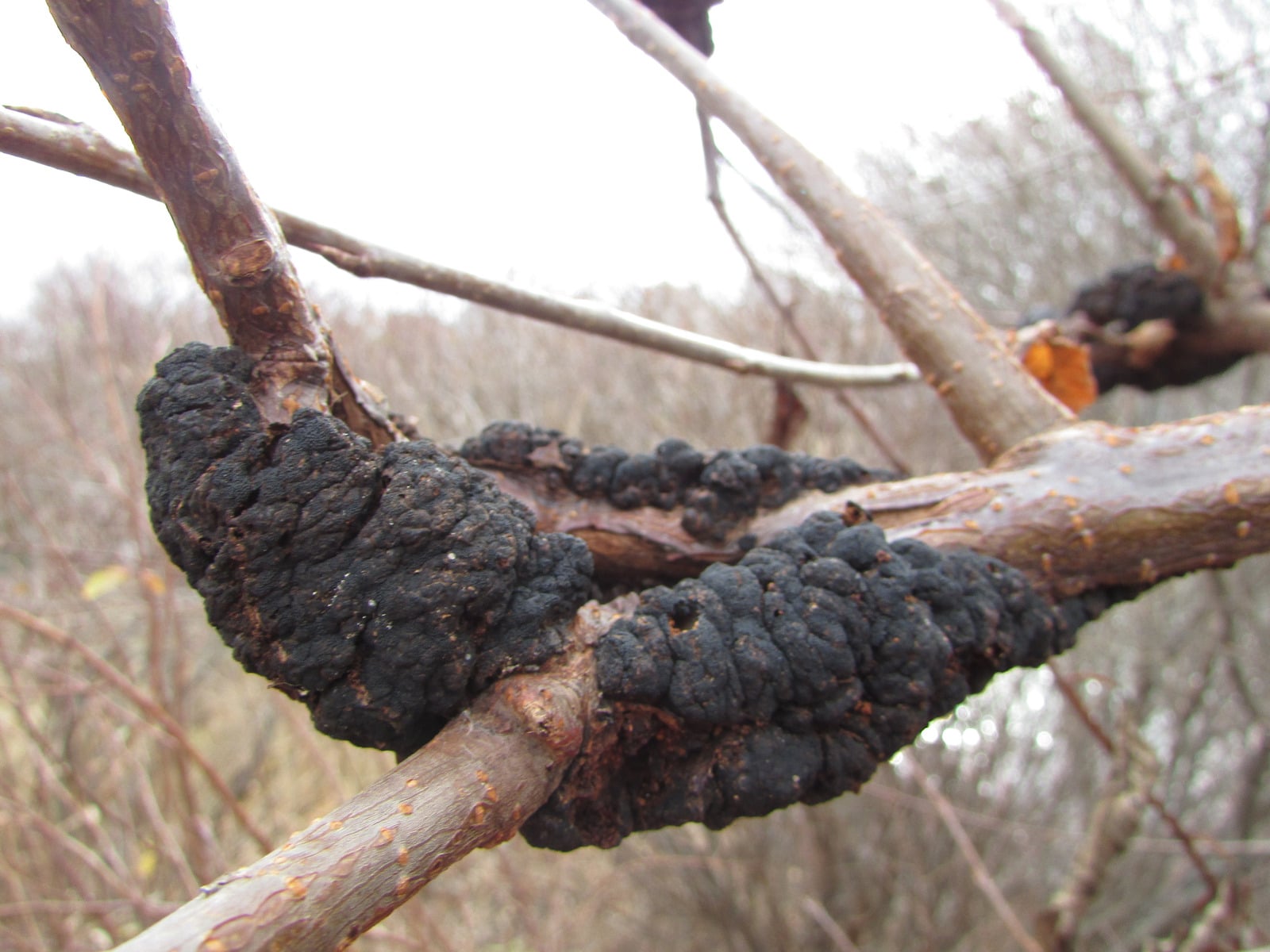
Black Knot
Black knot is most commonly found on cherry and plum trees. The disease produces hard, black growths on branches that can weaken affected limbs over time. Our team can identify infected areas and recommend the best course of action.
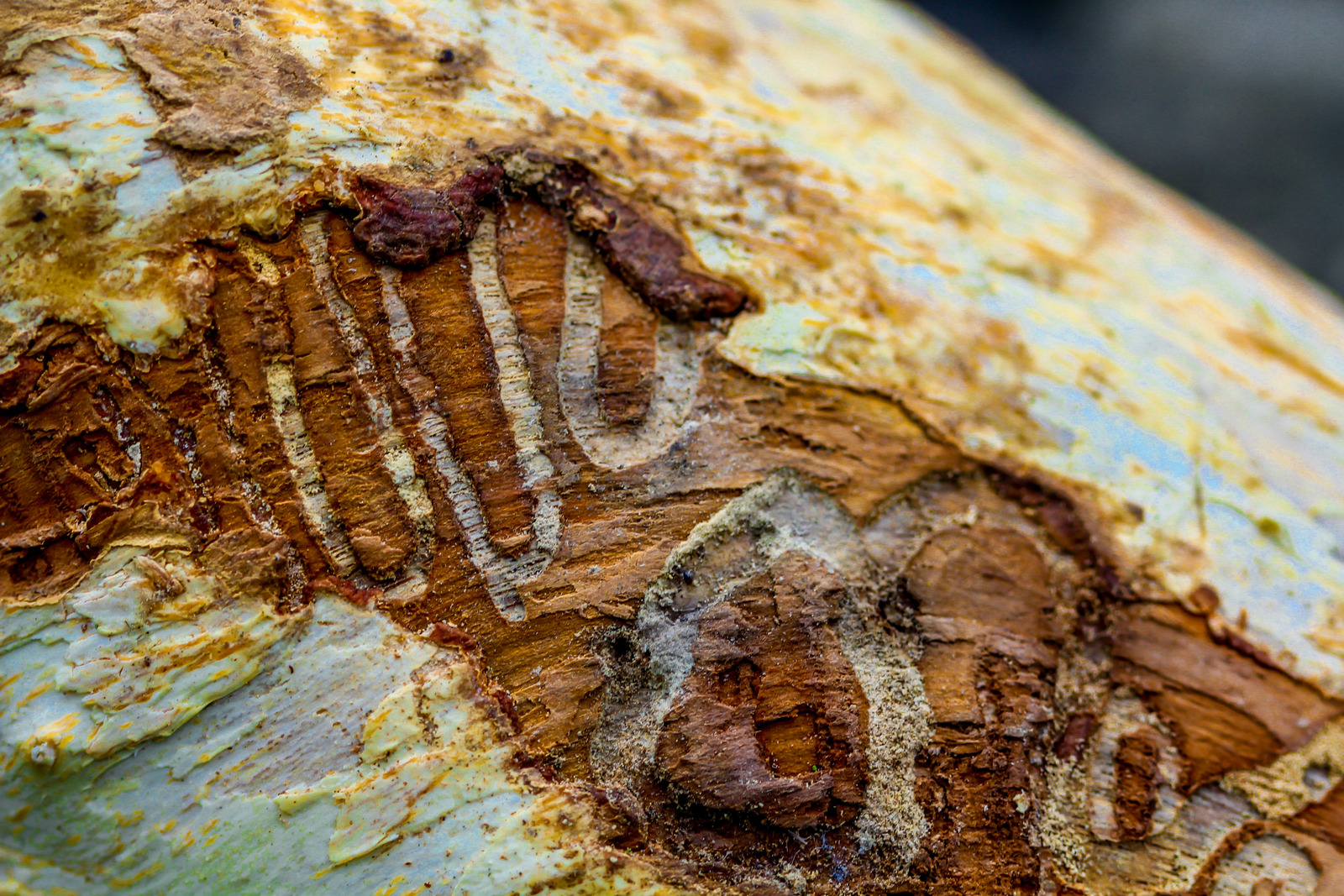
Emerald Ash Borer
Across Ottawa, the emerald ash borer has contributed to the loss of thousands of ash trees. Common signs include canopy thinning, bark splitting, and increased woodpecker activity. We can inspect your ash trees and help determine their condition.
Apple Scab
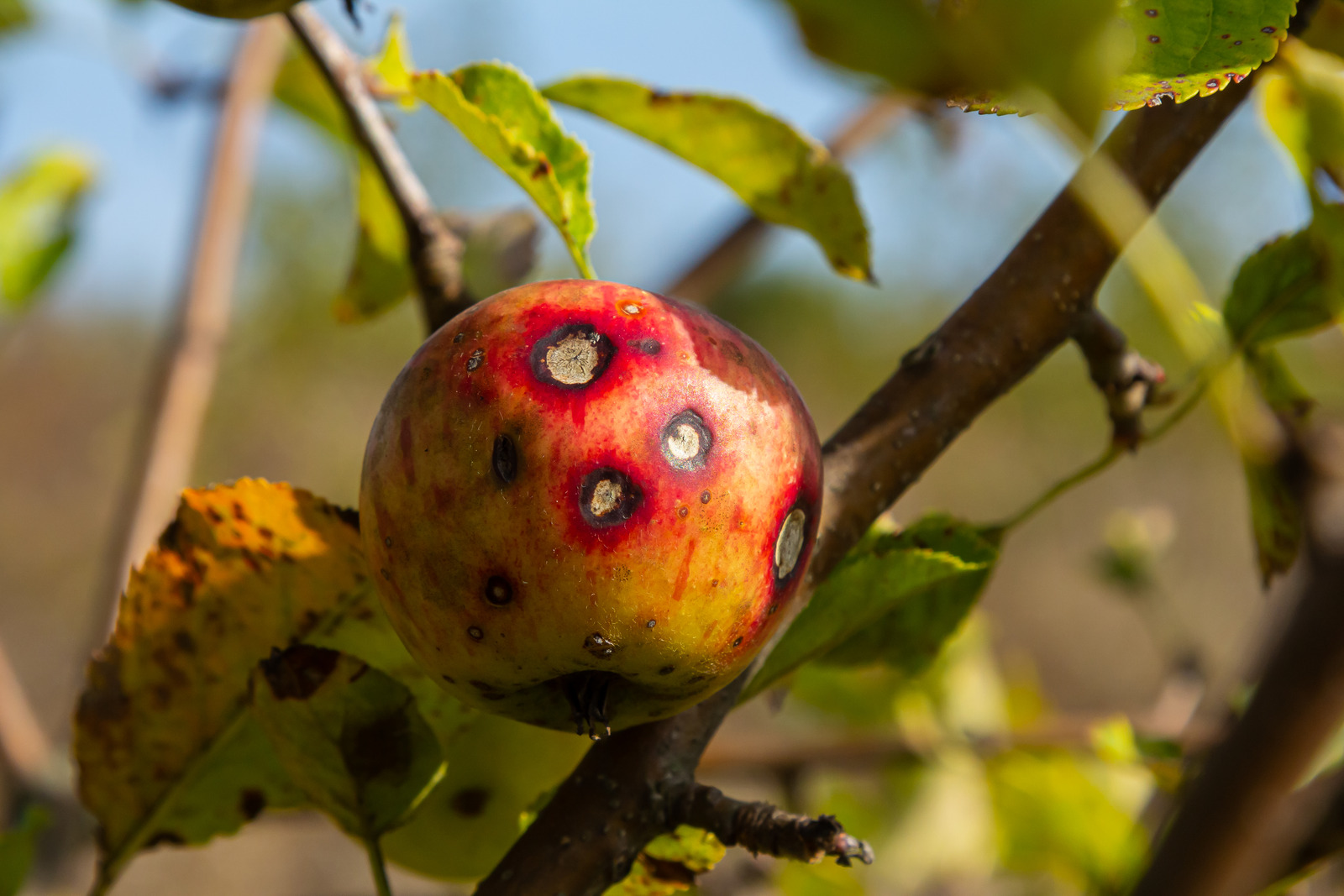
Dark spots on leaves and fruit are often linked to apple scab. Over time, repeated infections can weaken apple and crabapple trees and affect their appearance. Our arborist can assess the severity of the issue and provide recommendations.
Anthracnose
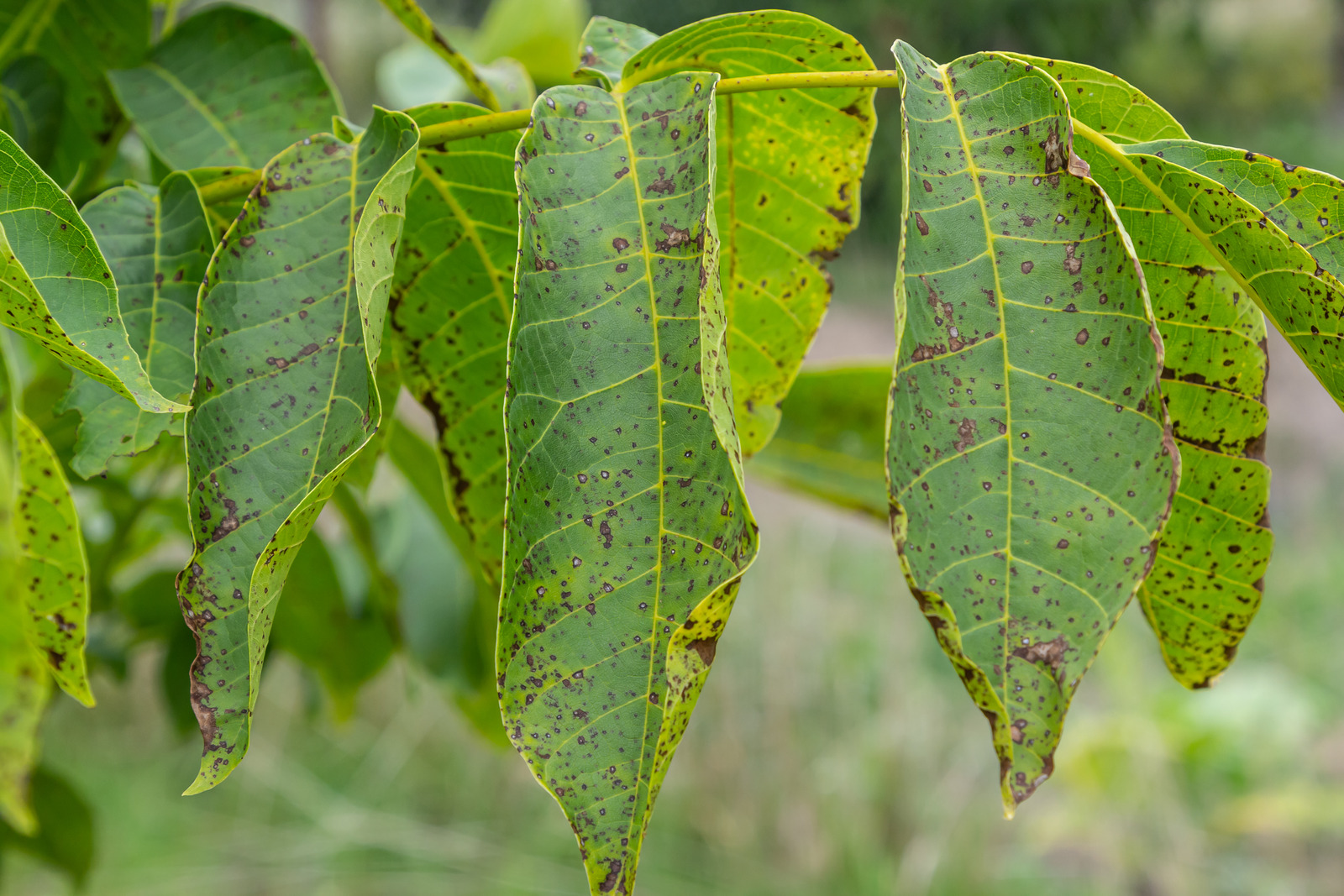
Wet spring weather often creates favorable conditions for anthracnose. This fungal disease commonly affects maple, oak, and other shade trees, causing leaf spotting and early leaf drop. We can determine whether further action is needed.
Sun scald
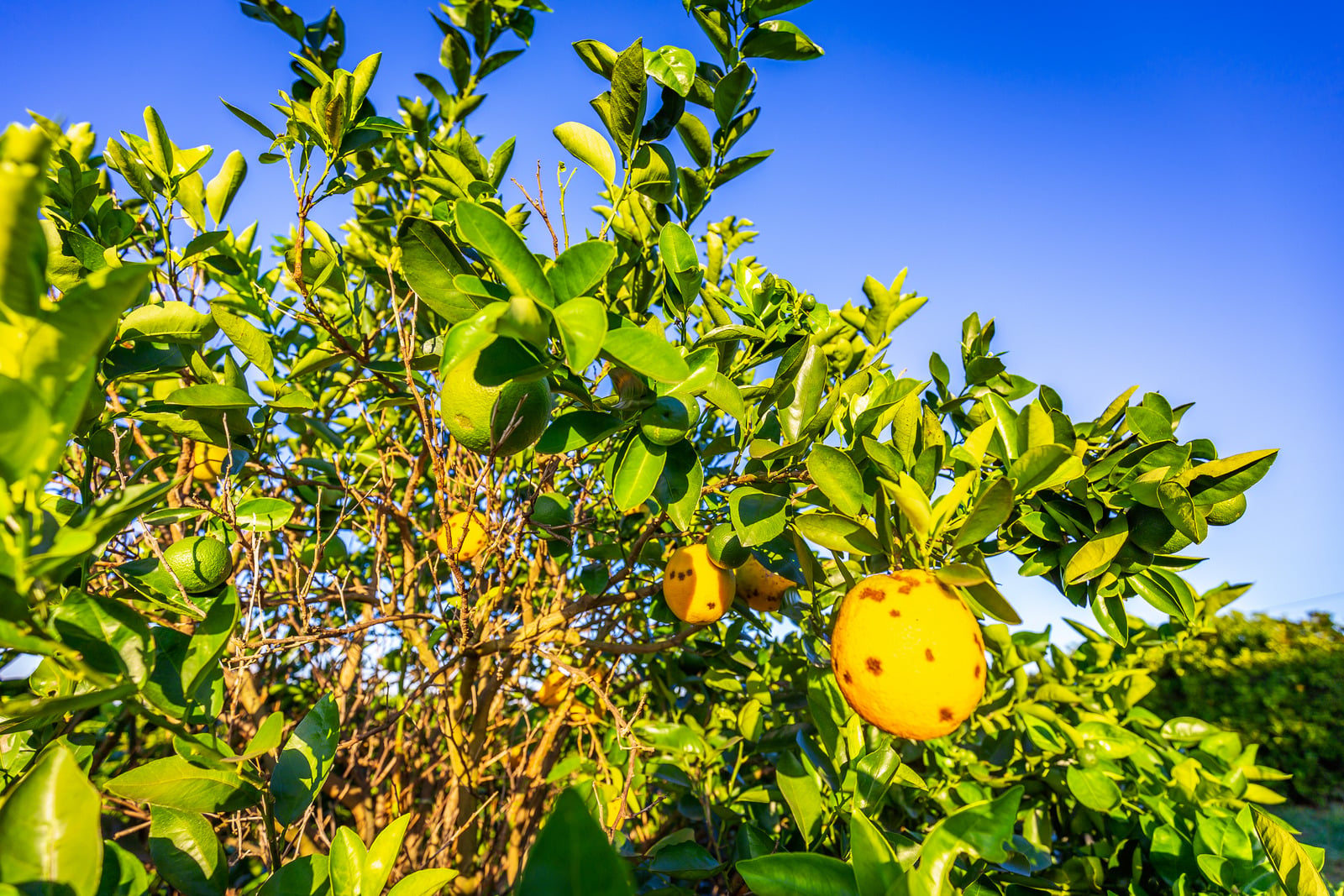
Ottawa‘s winter temperature swings can damage the bark of young and thin–barked trees. Known as sun scald, this injury can cause cracks that expose the tree to pests and disease. We can help identify and manage the damage.
Pine Blight
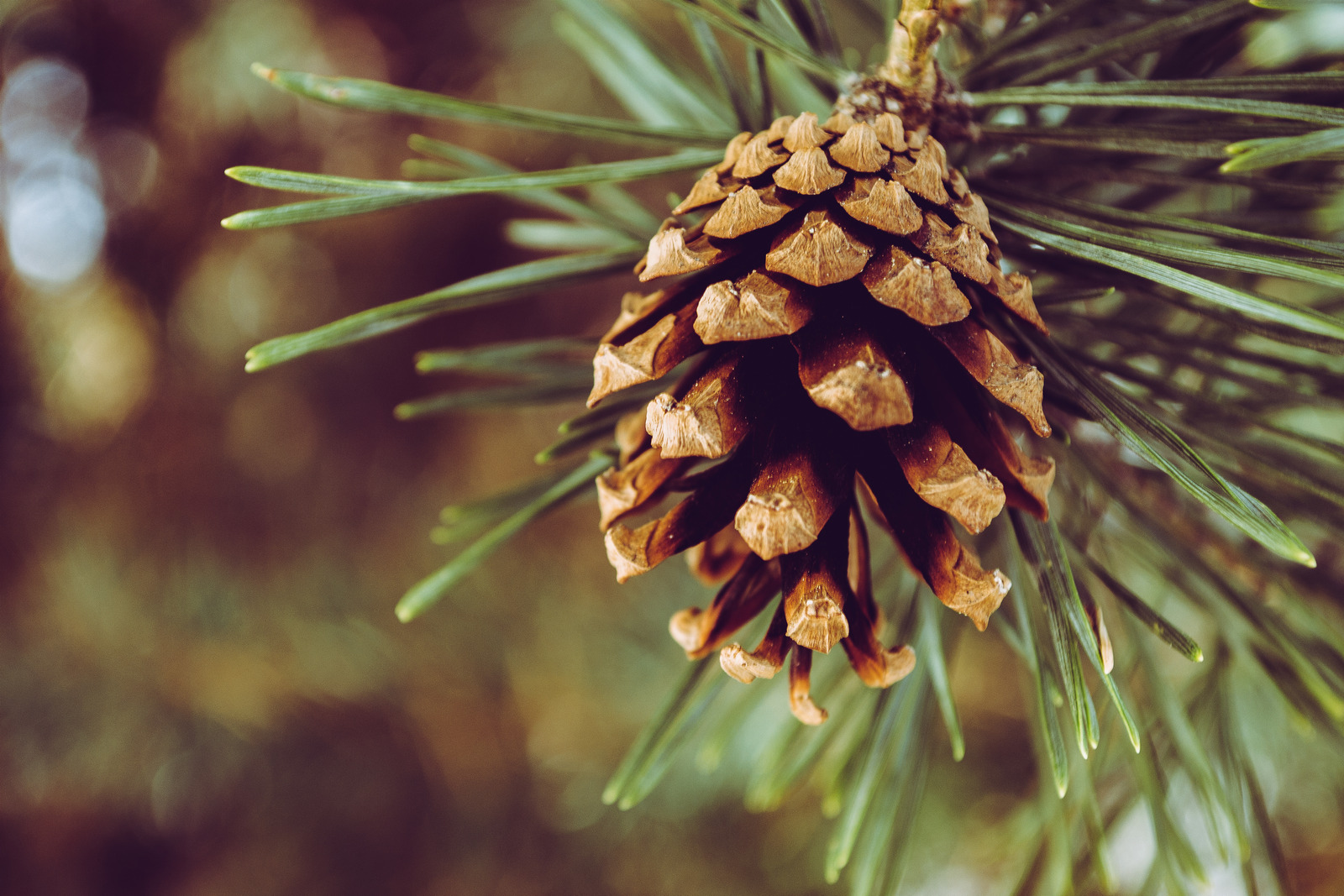
Brown needles and thinning foliage may indicate pine blight. This disease is often more noticeable following extended periods of wet weather. Our team can evaluate the tree’s condition and recommend appropriate care.
Cytospora Canker
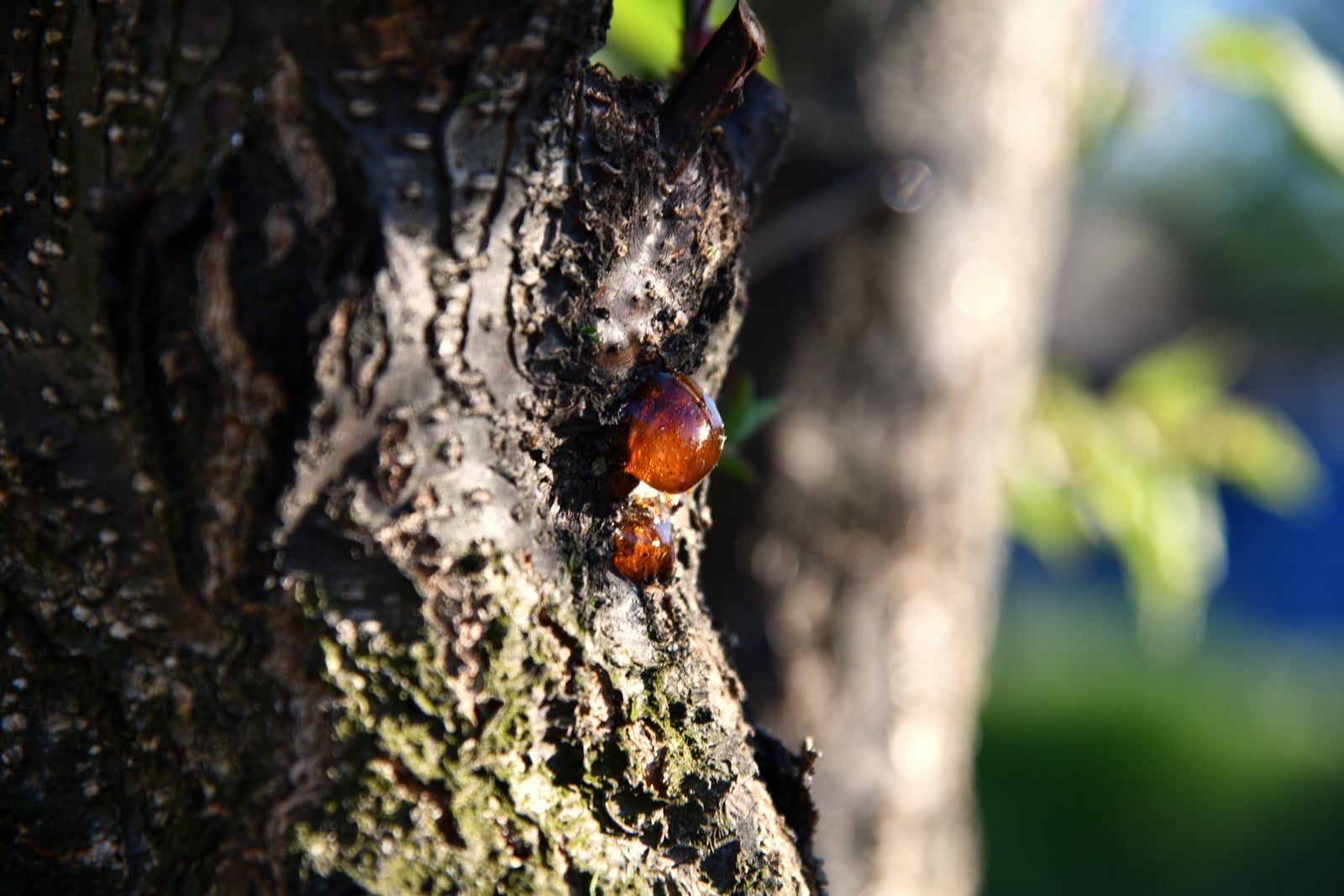
Stressed spruce trees are particularly vulnerable to Cytospora canker. Symptoms often include branch dieback and excessive resin flow from affected areas. We can assess the tree’s health and discuss the most practical next steps.

How Tree Arborists Diagnose Tree Diseases
By looking at the tree as a whole and considering its growing conditions, we can better understand what’s affecting its health. An accurate diagnosis helps you make informed decisions and choose the most appropriate care for your trees.
Treatments Provided by Professional Tree Arborists
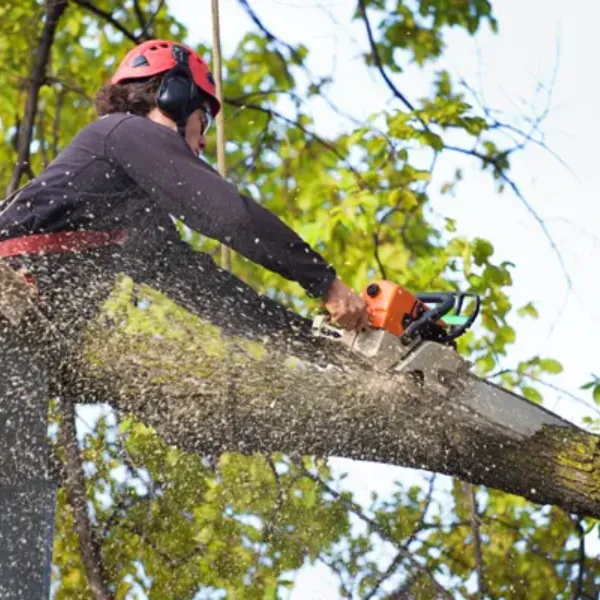
Not every tree disease can be successfully treated. When a tree has significantly declined or presents a safety risk, removal may be the most practical option. Our arborist will assess the tree’s condition and explain your options so you can make an informed decision.
Preventing Tree Diseases and Maintaining Tree Health
Regular assessments can help identify potential tree disease concerns before they become more serious. By monitoring your trees and addressing issues early, we can help you make informed decisions that support healthier, safer trees throughout Ottawa.
What People Say About Us


Expert Tree Care, Sustainable Solutions||Your Tree Health, Our Priority||Beautifying Landscapes, One Tree at a Time
Frequently Asked Questions
Got questions about tree diseases in Ottawa? We’ve answered some of the most common concerns homeowners have about protecting their trees.
What are the most common tree diseases in Ottawa?
Common tree diseases in Ottawa include Dutch elm disease, black knot, apple scab, anthracnose, and Cytospora canker. Property owners may also encounter pests such as the emerald ash borer, which can significantly impact tree health.
How can I tell if my tree is diseased?
Warning signs may include unusual leaf discoloration, early leaf drop, branch dieback, bark damage, fungal growth, or abnormal growths on branches. If you notice these symptoms, a professional assessment can help determine the cause.
Can tree diseases be treated?
Some tree diseases can be managed through pruning, monitoring, and other tree care measures. The most effective approach depends on the type of disease, the severity of the issue, and the overall condition of the tree.
When should I call an arborist for tree disease?
It’s best to contact an arborist as soon as you notice unusual symptoms or changes in your tree’s appearance. Early identification often provides more options for managing the problem.
Can tree diseases spread to other trees?
Yes. Some tree diseases can spread through spores, insects, or environmental conditions. Addressing problems early can help reduce the risk of affecting nearby trees.